Alternative Medicine › Health Food Stores
Shopping at Health Food Stores by Season: When to Book, When to Wait, and What Timing Changes
A health food store runs on three calendars at once, and only one of them is printed on the wall. There is the growing calendar, which decides what the produce and bulk departments can sell cheaply and well. There is the retail calendar — resolution season, holiday season, clearance season — which decides when the supplement aisle is promoted and when it is quietly full-price. And there is your parent's calendar: the standing list of staples that has to be in the house every week regardless of either. Caregivers feel all three, usually at the register.
The good news is that the three calendars are predictable. Produce prices swing harder than almost anything else in the store — the same item routinely costs two to three times as much out of season as in — while supplement prices move on the promotional cycle instead. Shop each department on its own calendar and the same basket costs meaningfully less across a year, with better quality in the bag. Here is the map.
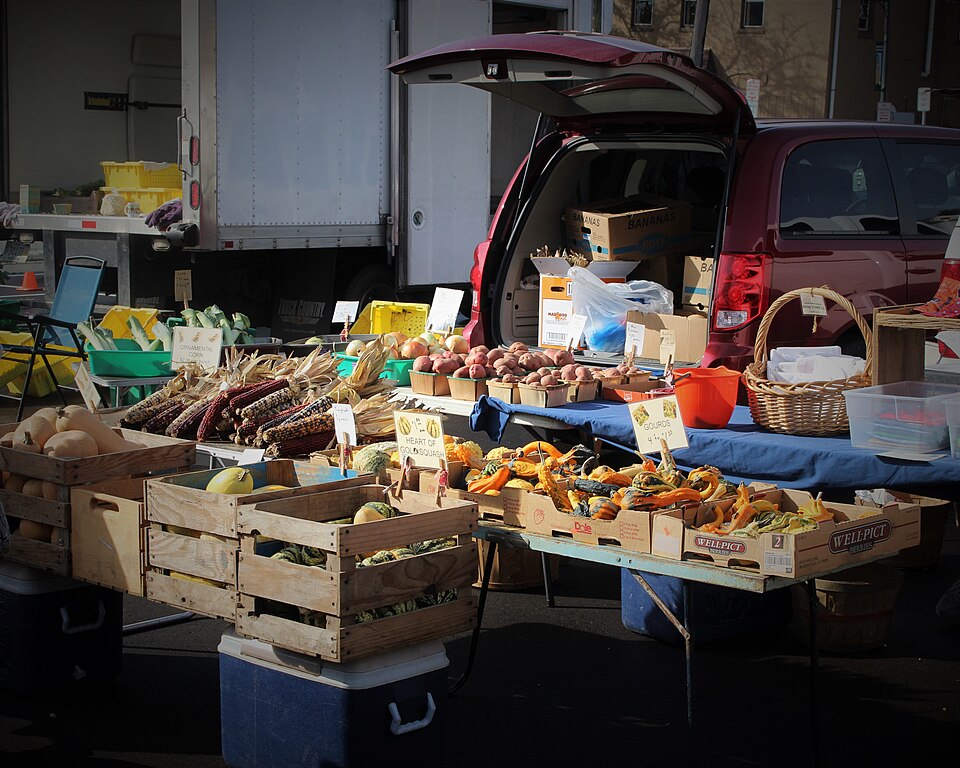
The produce department: the biggest swings in the store
Produce is where seasonality stops being a slogan and becomes arithmetic. Strawberries that sell around $1.99 a pound in June can reach $5.99 in January; asparagus moves from about $1.99 in April to $4.99 in November; sweet corn runs 20 to 35 cents an ear in high summer and three times that out of season. The mechanism is supply, not trickery: in season, the item is abundant, travels less, and spoils slower relative to demand. Out of season it is flown in, scarce, and priced like it.
The research adds a useful correction to farmers'-market folklore, and caregivers shopping for value should know it. A peer-reviewed North Carolina study (Valpiani et al., Public Health Nutrition, 2015) priced the same fruits and vegetables at supermarkets, farmers' markets and roadside stands across all four seasons of 2011. In peak season, some items were dramatically cheaper at direct outlets — cantaloupe cost 36 percent less at roadside stands than at supermarkets — while others were far more expensive there: summer carrots cost 137.9 percent more at farmers' markets. USDA data similarly found direct-outlet discounts on some staples in every season, ranging widely by item. The lesson is not "market good, store bad." It is that seasonality is item-specific: each product has its own cheap months, and the win comes from matching your parent's list to the calendar item by item, not from loyalty to a venue.
The practical system for a caregiver is slot-based shopping. Plan the week's produce in slots — a fruit, a green, a roasting vegetable, a salad base — and fill each slot with whatever is in season and cheap that week, rather than writing "strawberries" in January and paying whatever they cost. Winter's honest basket is citrus at its annual low, cabbage, roots, kale and leeks, plus frozen berries, which are picked at peak and ignore the calendar entirely. A worked example from seasonal price tracking: a weekly fruit list of strawberries, grapes and peaches runs roughly $12–14 in summer and $28–34 in January for worse fruit; swapping the January version to clementines, apples and frozen berries brings it back to $12–15. Run that one swap through the cold months and it is worth several hundred dollars a year — and your parent eats better, not worse.
The supplement and grocery aisles: the promotional calendar
Shelf-stable goods do not care about harvests; they care about marketing seasons, and those are just as regular.
January is promotion season, with a catch. New Year resolution demand brings genuine bargains on the categories Wise Bread's sales-cycle tracking flags every January — diet and low-carb lines, granola bars, yogurts — and, because it is cold and flu season, on vitamins, fish oils and cold remedies. Supplement retailers run New Year sales of roughly 20–30 percent off selected categories. The catch: January is also when "wellness" gift products and starter kits are pushed at full margin to resolution shoppers. Buy your parent's established staples on January promotion; do not let January sell you new ones.
Late November is the deepest discount window of the year. Across supplement retail, Black Friday and Cyber Monday bring the most consistent deep sitewide pricing — commonly 20–35 percent off, with buy-one-get-one events — beating January on most brands. For shelf-stable staples with long dates (a parent's daily multivitamin, vitamin D, fish oil), a late-November stock-up sized to reach the next November is the single biggest saving available in this department. Check expiry dates on delivery, and size the order to actual use: a bargain that expires in the cupboard is not one.
Mid-year events fill the gaps. Memorial Day and Labor Day bring mid-tier percentage-off promotions at most US supplement retailers, and mid-July brings Prime Day pricing on major brands sold through Amazon. Brand-specific sale events run deeper still for their own products — deal-tracking analyses of individual wellness brands show peak promotional months varying by brand (one major brand's deepest codes historically land in June–July at up to 50 percent off, with a quiet first quarter). The caregiver's version of this insight: pick your parent's two or three core brands, learn each one's big month once, and put it on the calendar.
Clearance is a calendar too. Stores clear seasonal stock to make room for the next holiday cycle — post-holiday January, post-summer, and the resets between. Short-dated clearance is a trap for supplements you will not finish, and a genuine bargain for pantry goods you use weekly. Read dates, not percentages.
| When | What moves | Caregiver's move |
|---|---|---|
| January | Resolution + cold/flu promotions; vitamins, fish oils, diet lines | Restock established staples on sale; refuse new "starter" products |
| Spring | Asparagus, strawberries, greens at yearly lows; Easter/holiday clearance after | Shift produce slots to spring items; take dated pantry clearance |
| Summer | Cheapest produce of the year; brand sale events (varies) | Buy and freeze peak fruit; hit your core brands' big months |
| September–October | Fall produce (apples, squash, grapes); Labor Day promotions | Freeze/preserve the last of summer; restock supplements mid-tier |
| Late November | Black Friday/Cyber Monday: 20–35% off supplements sitewide | The annual shelf-stable stock-up, sized to real use |
| December | Peak prices on gift sets and seasonal specialties | Buy consumables only; gift sets are presentation, not value |
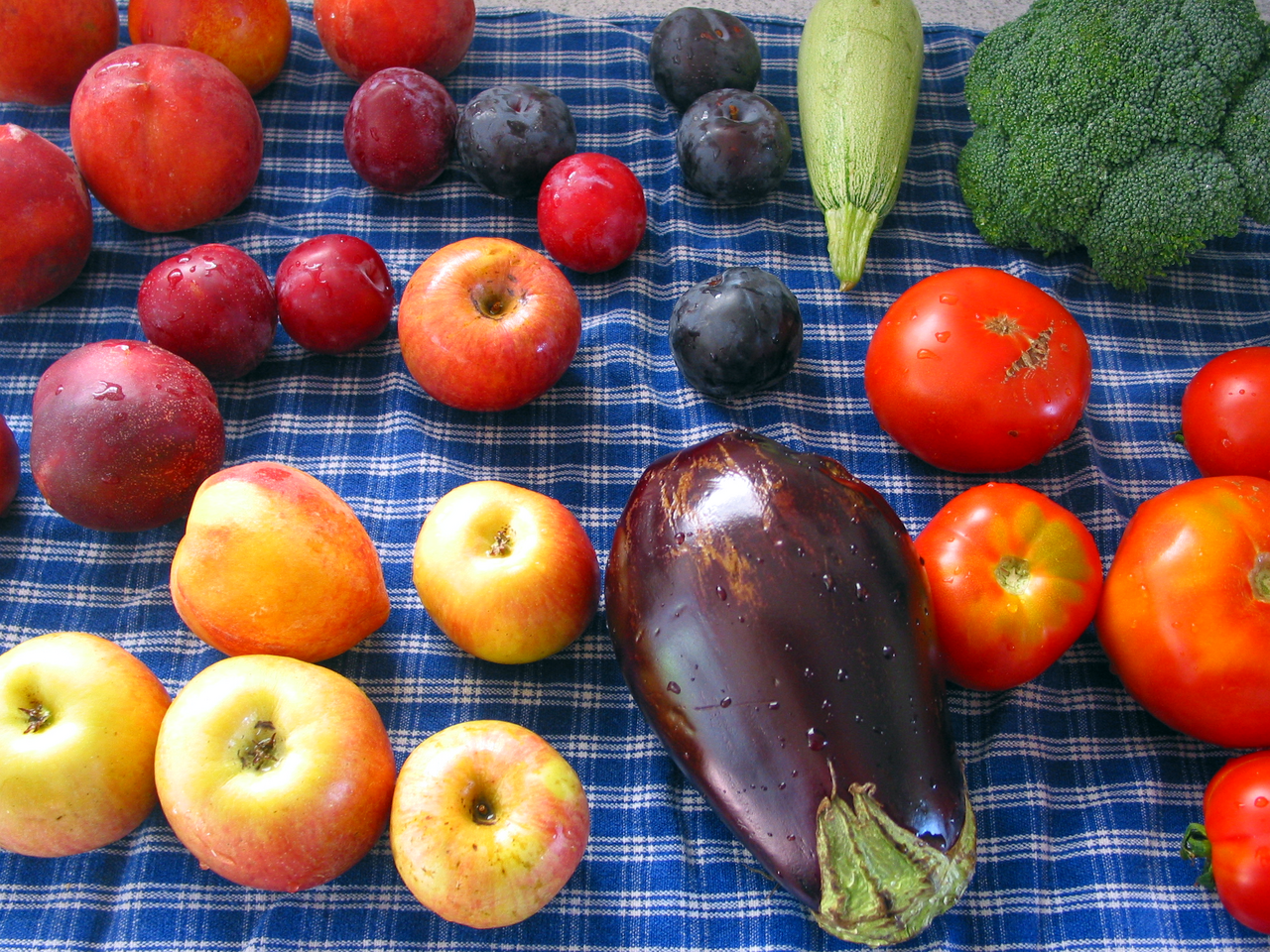
The bulk bins and the freezer: timing inside the store
Two departments reward timing at a smaller scale. Bulk bins — grains, beans, nuts, dried fruit, teas — turn over fastest in busy months and slowest in quiet ones, and freshness follows turnover. In a small store, ask when the bins are refilled; buying the day after a refill is a real, if modest, quality gain, and scooping from a bin that has sat since last season is how a parent ends up with rancid nuts and a concluded opinion about health food. The freezer case is the seasonality cheat code: frozen vegetables and fruit are harvested at peak, priced flat all year, and nutritionally comparable to fresh. For a parent, frozen is also the safer logistics — no spoilage race against a week that went sideways, which is a form of waste every caregiver recognises.
When waiting is the whole strategy
Some purchases should simply be postponed, and it helps to name them. Seasonal specialties in December — the gift-boxed nuts, dried-fruit trays, specialty teas and holiday blends — are priced for giving, not eating; the identical goods, unboxed or in January clearance, cost a fraction within weeks, and most keep perfectly. If your parent loves them, the gift to give in December is the promise, and the purchase in January is the present arriving sensibly late. New supplements in any hype month — January resolutions, September "back to school immunity," the week a product trends — should wait for the clamour to pass and the price to normalise, because a product a parent will take for years deserves a decision made in a quiet month, checked against their medication list, at a normal price. And out-of-season fresh anything should wait by definition: the calendar will bring it back, cheaper and better, and the freezer case covers the interval. Waiting is not deprivation. In a store run by calendars, waiting is simply shopping at the right time.
Putting the year together for one parent
The system, assembled: a standing staples list (the non-negotiables) bought on the promotional calendar — the big order in late November, top-ups in January and at brand events; a flexible produce list written in slots and filled by the growing calendar, market or store, whichever is cheaper for that item that month; a freezer buffer of peak-season fruit and vegetables, built in summer, that flattens winter prices; and a quarterly ten-minute review — what ran out, what expired, what your parent stopped eating — because the most expensive product in any season is the one bought for a routine that no longer exists.
None of this requires a spreadsheet or a second job. It requires noticing that the store's prices are a calendar wearing a disguise. This site lists 231 health food stores in its directory, and every one of them runs the same three calendars. Shop them on purpose, and the disguise comes off.
Sources
- Wise Bread, "The Store Sales Cycle: Your Monthly Guide to Clearance Prices" — January bargains on diet lines and on vitamins, fish oils and cold remedies in cold/flu season; monthly seasonal-produce sale lists: https://www.wisebread.com/the-store-sales-cycle-your-monthly-guide-to-clearance-prices?quicktabs_2=0
- Valpiani et al., "Patterns of fruit and vegetable availability and price competitiveness across four seasons," Public Health Nutrition (2015) — North Carolina 2011 pricing across supermarkets, farmers' markets and roadside stands; cantaloupe 36% cheaper at roadside stands in peak season, carrots 137.9% more at farmers' markets: https://core-varnish-new.prod.aop.cambridge.org/core/services/aop-cambridge-core/content/view/9453CDA3DACEE965B5948DD011B77263/S1368980015000981a.pdf/patterns_of_fruit_and_vegetable_availability_and_price_competitiveness_across_four_seasons_are_different_in_local_food_outlets_and_supermarkets.pdf
- LocalCart, "Farmers Market vs Grocery Store: Price and Freshness" — summary of USDA ERS direct-outlet price findings (discounts of 8.4% to 38.4% by item and season) and regional studies: https://localcart.net/blog/our-blog/farmers-market-vs-grocery-store/
- Worth, "Eat with the calendar: how seasonal produce cuts your bill in half" — item-level seasonal price swings and the worked weekly-fruit-basket example: https://www.theworthapp.com/learn/grocery-food-savings/seasonal-produce-calendar-savings
- GrabOn, "Protein Supplements Coupons & Offers" — supplement sale windows: New Year resolution sales, Black Friday/Cyber Monday at 20–35% off, Memorial Day/Labor Day and Prime Day events: https://grabon.com/protein-supplements-coupons/
- SimplyCodes deal tracking for Shaklee — brand-level promotional seasonality (deepest codes June–July, quiet first quarter), illustrating that peak months vary by brand: https://simplycodes.com/store/us.shaklee.com
- Find-Therapy.com directory taxonomy, live listings queried November 24, 2026 — Health Food Stores 231 listings.
Photos: photo by WaxPhilosophic, https://commons.wikimedia.org/wiki/File:FarmersMarket.jpg ; photo by Emerika (public domain), https://commons.wikimedia.org/wiki/File:Fruits_veggies.png — both via Wikimedia Commons.
More guides
- How to Choose an Alternative Medicine Practitioner You Can TrustAlternative Medicine › Alternative Medicine
- What Alternative Medicine Actually Costs: A Realistic Price GuideAlternative Medicine › Alternative Medicine
- 10 Questions to Ask Before Your First Alternative Medicine AppointmentAlternative Medicine › Alternative Medicine
- Red Flags: When an Alternative Practitioner Is Selling, Not TreatingAlternative Medicine › Alternative Medicine
- How to Buy Natural Healing Products Without Wasting MoneyAlternative Medicine › Natural Healing Products & Services
- All Guides & ArticlesBrowse the full guides library