Alternative Medicine › Alternative Medicine
How to Choose an Alternative Medicine Practitioner You Can Trust
More than a third of American adults now use some form of complementary care. The National Health Interview Survey analysis published by the National Center for Complementary and Integrative Health (NCCIH) in JAMA in 2024 found that use of at least one of seven tracked approaches — yoga, meditation, massage, chiropractic care, acupuncture, naturopathy and guided imagery — rose from 19.2 percent of adults in 2002 to 36.7 percent in 2022. Meditation was the most used approach in 2022 at 17.3 percent, yoga reached 15.8 percent, and nearly half of users — 49.2 percent, up from 42.3 percent — were using these approaches to manage pain. Chiropractic users were the most pain-focused of all: 85.7 percent of them were seeking pain relief.
So the question is no longer whether people will walk through these doors. They already do, in tens of millions. The question is how to choose the person on the other side of the door — in a field where one practitioner's title rests on a doctorate, national board exams and a state licence, and the person in the next suite may be practising under no licence at all, quite legally. This guide gives you the checks that separate the two, in the order to run them.
First, get the words right: complementary is not alternative
The terminology is not pedantry; it is the first safety test. NCCIH draws the lines plainly. Complementary care is a non-mainstream approach used together with conventional medicine. Alternative care is the same kind of approach used in place of conventional medicine. Integrative care is the coordinated version — conventional and complementary approaches brought together deliberately, with the whole person in view. NCCIH's own director has said the centre no longer favours the word "alternative" for exactly this reason: these therapies should not be used instead of conventional care.
Hold that distinction up against any practitioner you are considering. A trustworthy practitioner talks the language of "alongside": alongside your medication, alongside your physiotherapy, alongside your oncologist's plan. A dangerous one talks the language of replacement — and the moment a practitioner suggests stopping a prescribed treatment, skipping a recommended test or delaying a surgery or a cancer therapy in favour of what they sell, the interview is over. No credential on the wall outweighs that sentence. The National Cancer Institute makes the same point from the other side: no special diet, food, vitamin or supplement has been shown to cure cancer or prevent its return, and some supplements can keep cancer drugs from working as well as they should.
Check one: is there a licence, and can you verify it?
Here is the structural fact most patients never learn: there is no national system for credentialing complementary practitioners in the United States. As NCCIH explains, state governments decide what credentials a practitioner must have, and the requirements vary widely from state to state and from discipline to discipline. States use three broad tools — mandatory licensure (you may not practise without a licence), title licensure (you may not use the protected title without credentials), and registration (you file your training and experience with a consumer-protection agency). Knowing which regime covers your practitioner, in your state, is the foundation everything else sits on.
The variation is dramatic, and the major disciplines sit in very different places:
| Discipline | How it is typically credentialed | What to verify |
|---|---|---|
| Chiropractic | Licensed in all 50 states and DC; requires an accredited Doctor of Chiropractic (D.C.) and state and/or National Board of Chiropractic Examiners exams | State licence lookup; accredited D.C. degree |
| Acupuncture | Licensed in most states; in most states licensure requires certification by, or passing the exams of, the National Certification Commission for Acupuncture and Oriental Medicine | State licence; NCCAOM certification |
| Naturopathy | Licensed in only 17 states and DC at the time of NCCIH's summary; licensure generally requires an accredited 4-year naturopathic medical school and a postdoctoral board exam | Whether your state licenses naturopaths at all — elsewhere the title may be unregulated |
| Massage therapy | Licensed or regulated in most states; certification through the National Certification Board for Therapeutic Massage & Bodywork plays a role in qualifying for licensure in many | State licence/registration; NCBTMB certification |
| Yoga, meditation, many "energy" practices | Generally no state licence exists | Training lineage, hours, professional-body membership — and extra scepticism about medical claims |
Every state licence in that table can be checked in minutes on the state regulator's website, and disciplinary history is usually part of the same record. Do it before you book, not after. And note the honest implication of the last row: where no licence exists, the practitioner may still be excellent at what they do — but they are teaching or coaching, and the moment they begin diagnosing or treating disease, they have walked out of the lane the law leaves them.
Accreditation is the second half of this check. The U.S. Department of Education recognises specific bodies to accredit training programmes — NCCIH cites the Council on Chiropractic Education for chiropractic colleges and the acupuncture accrediting commission for acupuncture programmes as examples. A diploma from an accredited school, in a licensed discipline, followed by the national board exam, is the full chain. Ask where they trained, and expect a straight answer; practitioners with real credentials produce them the way licensed drone pilots produce certificates — without blinking.
Check two: scope of practice — what are they allowed, and willing, to do?
Licensing laws do not just say who may practise; they say what. NCCIH notes that state laws vary widely in the services a given practitioner may offer — its example is a national survey finding substantial differences among states in what chiropractors may perform. Scope is your protection in both directions: it keeps a practitioner from practising medicine without medical training, and it tells you what a legitimate practitioner in that discipline should be offering at all.
In the first appointment, listen for scope discipline. A trustworthy practitioner takes a history, asks what diagnoses you already have and what treatment you are already receiving, works within a defined problem, and refers out — to your doctor, to imaging, to a specialist — when a presentation falls outside their lane. New or worsening neurological symptoms, unexplained weight loss, fever with back pain, a lump, a mole that changed: these are referrals, not treatment opportunities, in every complementary discipline. A practitioner who wants to investigate everything themselves, order exotic testing, or reinterpret your existing diagnosis is practising beyond scope in spirit even where the letter of the law is fuzzy.
Ask the coordination question directly: "Will you share notes with my doctor, and do you want to know my medication list?" Integrative care — the coordinated kind — is the standard to hold them to. A practitioner who prefers that your doctor not know you are coming has told you which category they are in.

Check three: the evidence conversation
You do not need a practitioner who only offers approaches with pharmaceutical-grade trial evidence; for many complementary approaches the evidence base is still developing, and NCCIH is candid that what we know varies widely by approach and by condition. You need a practitioner who can have an honest conversation about the evidence that exists.
That conversation has a shape. For pain — the reason half of users are there — NCCIH's own materials review acupuncture, massage, meditation, relaxation techniques, spinal manipulation, tai chi and yoga, summarising what studies find for each, condition by condition. A trustworthy practitioner can place their offer on that map: "For chronic low back pain there is reasonable supportive evidence and this is worth a trial of six sessions; for your other problem the evidence is thin and I would be guessing." What they cannot honestly say is that their approach treats everything. Breadth of claim is inversely related to trustworthiness in this field, with near-perfect reliability.
Supplements deserve their own paragraph, because they are where complementary care most often collides with conventional treatment. NCCIH's guidance on using dietary supplements wisely is blunt: supplements may interact with your medications, may pose risks with certain medical problems or before surgery, and many have not been tested in pregnancy or in children. MedlinePlus's herbal guide adds the consumer-level examples: St John's wort can interact with birth-control pills, antidepressants and other medicines; kava has been linked to severe liver damage and carries an FDA warning. And the regulatory frame matters: supplements are not tested and approved like medicines before sale, and their labels may not list the correct amounts — or every ingredient. So the rule is absolute: your full supplement list goes to your doctor and pharmacist, and your full medication list goes to your complementary practitioner, and any practitioner who sells you a supplement regimen without asking what you already take has failed a basic competence test. Extra suspicion is earned by products marketed for weight loss, sexual enhancement and bodybuilding, among which NCCIH notes some have been found to contain unlisted prescription drugs.

Check four: the money and marketing tells
Fraud in this field rarely looks like fraud. It looks like enthusiasm. The Federal Trade Commission and FDA pattern — echoed in MedlinePlus's consumer advice — is consistent enough to list:
- Cure language. "Miracle," "secret cure," "works faster than regular care," claims to diagnose, treat or cure disease — supplement labels are legally barred from making disease-cure claims at all, and any practitioner making them verbally is showing you their standards.
- The long prepaid plan. A large treatment package sold under pressure at the first visit, before any response to care can be judged, converts your uncertainty into their certainty. Trustworthy care is usually sold a trial at a time, with review points.
- Detox and test theatre. Expensive proprietary testing that only this clinic offers and only this clinic's products can fix.
- Isolation. Discouragement of second opinions, of telling your doctor, of reading the evidence — every legitimate discipline survives scrutiny and knows it.
- Testimonials in place of outcomes. Stories are marketing. Ask instead: how will we know, in four to six weeks, whether this is working, and what will we change if it is not? A practitioner with a measurable answer is practising care. One with only stories is practising sales.
Pricing itself is a signal. Transparent per-session pricing, a stated cancellation policy, and receipts your insurer or health account can process are the ordinary furniture of a legitimate practice. Cash-only opacity paired with grand claims is not.
The first-appointment test
Compress the checks into the first visit. Did they take a real history — conditions, medications, supplements, prior imaging and treatment? Did they explain what they propose to do, what it can and cannot do, its risks, and its cost, before doing it? Did they set a review point — a number of sessions after which you will jointly judge progress against a goal you agreed in words? Did they welcome your doctor's involvement? And did you leave with less fear than you brought in, rather than more?
That last question is not soft. Fear is the primary sales tool of the untrustworthy end of this market — fear of your diagnosis, of your medication, of mainstream medicine itself. The practitioners worth trusting, in a field 36.7 percent of adults now use, consistently do the opposite: they narrow claims, coordinate care, measure outcomes and send you back to conventional medicine the moment your problem belongs there.
This site's own directory shows the scale of the choice in front of you: its taxonomy records 37,632 listings under Alternative Medicine, including 5,637 under Massage & Bodywork, 1,304 chiropractic clinics, 811 acupuncture physicians and surgeons and 330 naturopathic physicians. Abundance is not the problem. Verification is — and verification, in this field, is mercifully mechanical: confirm the licence, confirm the training, test the scope, have the evidence conversation, and walk away from cure language. Do those five things and complementary care becomes what its best practitioners intend it to be — an addition to your care, chosen with your eyes open.
Sources
- NCCIH / JAMA 2024 analysis of the National Health Interview Survey (Nahin, Rhee & Stussman, JAMA 2024;331(7):613–615), via NCCIH's research-results summary and NIH news release — use of at least one of seven complementary approaches rose from 19.2% (2002) to 36.7% (2022); meditation 17.3% and yoga 15.8% in 2022 (yoga up from 5.0% in 2002); acupuncture 1.0% → 2.2%; use for pain management among users rose from 42.3% to 49.2%; chiropractic had the highest pain-management share at 85.7% in 2022. A separate NHIS 2022 analysis (27,651 adults, PubMed) found ~37% used at least one CAM activity, with meditation ~18%, yoga ~15%, chiropractic ~11% and massage ~11%.
- NCCIH, "Credentialing, Licensing, and Education" — no national credentialing system; states decide; mandatory licensure / title licensure / registration; chiropractors licensed in all 50 states and DC with accredited D.C. and NBCE/state exams; naturopathic physicians licensed in only 17 states and DC (accredited 4-year school + board exam); most states require NCCAOM certification or exams for acupuncturist licensure; NCBTMB's role for massage; U.S. Department of Education-recognised accreditors including the Council on Chiropractic Education; state scope-of-practice variation (chiropractic services survey example).
- NCCIH definitions of complementary / alternative / integrative health, via NCCIH's "What's in a name" framing as summarised in MedlinePlus Magazine's interview with NCCIH Director Helene Langevin — complementary = together with conventional care; alternative = in place of it; NCCIH no longer favours "alternative" because these therapies should not replace conventional care.
- NCCIH, "Pain: Considering Complementary Approaches" (eBook) — approaches reviewed for pain: acupuncture, massage, meditation, relaxation techniques, spinal manipulation, tai chi, yoga, dietary supplements.
- NCCIH, "Using Dietary Supplements Wisely" — supplements may interact with medications, pose risks with certain conditions or surgery, are often untested in pregnancy/children; some weight-loss, sexual-enhancement and bodybuilding products contain unlisted prescription drugs; FDA's pre-1994 ingredient rule and enforcement role; supplement labels cannot claim to diagnose, treat, cure or prevent disease.
- MedlinePlus (U.S. National Library of Medicine), "A guide to herbal remedies" — herbals are not regulated or tested like medicines; labels need no approval and may misstate amounts or omit ingredients/contaminants; kava and severe liver damage (FDA warning); St John's wort interactions with birth-control pills, antidepressants and other medicines; "miracle pill" / secret-cure claims as red flags; talk to your provider and check interactions before use.
- National Cancer Institute position, via a Chandler integrative-oncology practice's sourced summary of NCI guidance — no special diet, food, vitamin or supplement has been shown to slow, cure or prevent the return of cancer; some supplements may keep cancer drugs from working as well; tell your doctor about everything you take.
Photographs
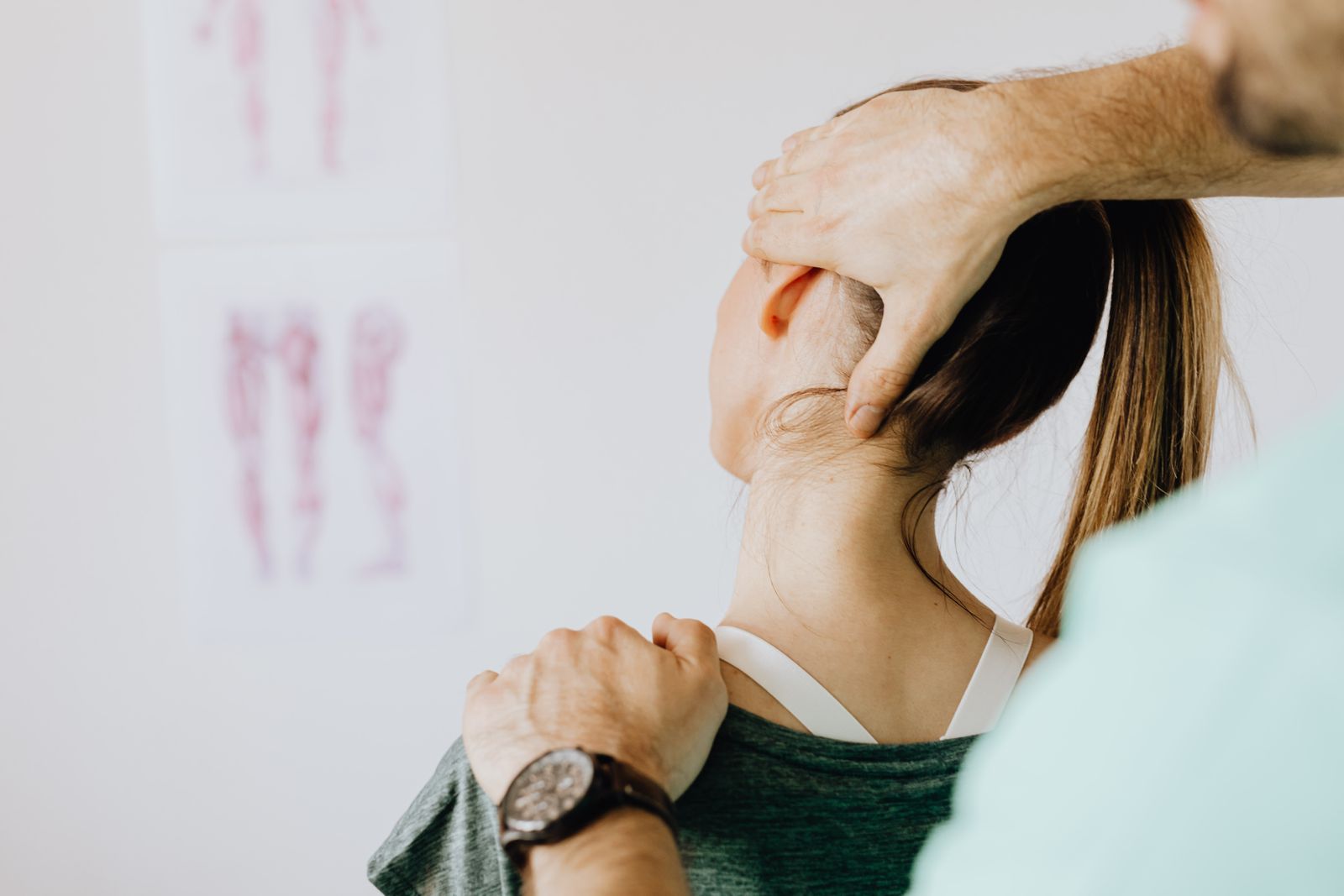
- photo by Karolina Kaboompics (Karolina Grabowska), https://www.pexels.com/photo/professional-massage-therapist-treating-a-female-patient-s-injured-neck-4506162/
- photo by Cliff Booth, https://www.pexels.com/photo/photo-of-women-stretching-together-4056723/
- photo by Oluremi Adebayo, https://www.pexels.com/photo/woman-meditating-in-the-outdoors-2908175/
More guides
- What Alternative Medicine Actually Costs: A Realistic Price GuideAlternative Medicine › Alternative Medicine
- 10 Questions to Ask Before Your First Alternative Medicine AppointmentAlternative Medicine › Alternative Medicine
- Red Flags: When an Alternative Practitioner Is Selling, Not TreatingAlternative Medicine › Alternative Medicine
- How to Buy Natural Healing Products Without Wasting MoneyAlternative Medicine › Natural Healing Products & Services
- Third-Party Tested: How to Verify a Natural Product Is What It ClaimsAlternative Medicine › Natural Healing Products & Services
- All Guides & ArticlesBrowse the full guides library