Alternative Medicine › Therapeutic Massage
Questions to Ask a Therapeutic Massage Therapist About Your Condition
There are two kinds of massage booking. In the first, you are tired, your shoulders are tight, and the main risk is a mediocre hour. In the second — yours — you arrive with a diagnosis, a surgical history, a medication list, or a limb that swells if it is handled wrong. The massage itself may be identical in technique. The stakes are not. For you, the most important part of the appointment happens before anyone touches you, in a conversation most clients never have.
Therapists who do this work well expect that conversation and welcome specific questions. Therapists who don't will reveal themselves in how they answer — vaguely, impatiently, or with promises no honest practitioner makes. This guide is the checklist: what to ask about experience, about coordination with your doctor, and about contraindications, the conditions under which massage should be modified, postponed, or refused outright. Bring it to the phone call, not the table. By the time you are face-down, the decisions should already be made.
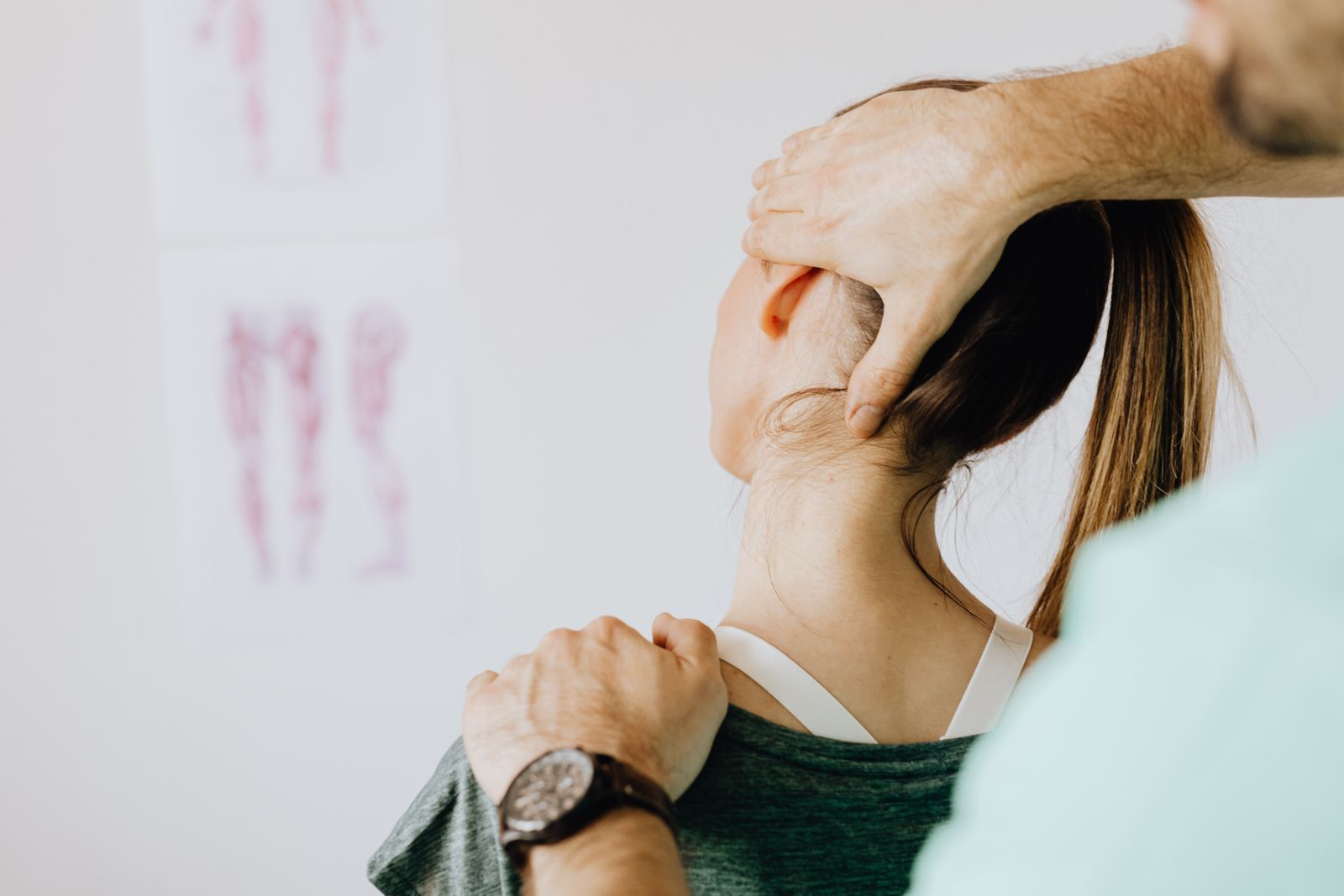
First, the questions about your condition specifically
"Have you worked with my condition before — how often, and what changed in those sessions?" This is the master question, and the follow-ups matter more than the headline answer. A therapist who treats your condition regularly can describe, without prompting, what they do differently: lighter pressure here, no work there, shorter sessions, different positioning. The Society for Oncology Massage's guidance to patients makes the same point for cancer care — ask how much specialised training the therapist has (for oncology work, look for dedicated coursework well beyond the few hours most massage schools devote to it), how many patients like you they see in a typical month, and how their approach changes after surgery, radiation or chemotherapy. Specifics are the credential. "Oh yes, all the time," with nothing after it, is not.
"What training or certification backs that up?" A state licence — verify it with your state board; massage regulation is state-by-state — establishes baseline education, not specialisation. For some conditions, a distinct credential exists and you should ask for it by name. Lymphedema is the clearest case: the Lymphatic Education & Research Network recommends a Certified Lymphedema Therapist, ideally with the CLT-LANA credential, which means at least 135 hours of lymphedema-specific training plus a board examination. Oncology massage has its own specialised courses and a practitioner directory through the Society for Oncology Massage. Prenatal, post-surgical and sports-injury work all have continuing-education tracks. You are not collecting certificates for their own sake; you are checking that the person adapting your session learned the adaptations somewhere other than on you.
"What would you refuse to do in my session?" A strange question that produces the most informative answers in this entire list. Competent therapeutic massage is defined by its exclusions: no deep pressure on a limb where lymph nodes have been removed, because of lymphedema risk; no work over a radiation field or an unhealed surgical site; staying a hand's width from a port or PICC line; no deep tissue during active chemotherapy, when pressure should stay light. A therapist who can list their exclusions fluently understands your condition. One who says "nothing, we can do whatever feels good" does not.
The contraindication questions
Contraindications — the profession's term for reasons to modify, postpone or cancel — come in three grades, and your questions should cover each.
Absolute contraindications mean no session at all until the situation resolves or a doctor clears you: fever or acute infection; a suspected or active blood clot or deep vein thrombosis; acute inflammation such as a rheumatoid arthritis or gout flare; decompensated heart failure or unstable cardiac conditions; recent major surgery without the surgeon's clearance; open wounds, untreated fractures or active bleeding; and acute trauma in its first days, when the body needs rest rather than stimulation — massage in the first 48 to 72 hours after an injury can worsen swelling and bleeding. Ask: "Is there anything in my history that means we should not do this today, or not do it yet?" Then listen for whether the therapist asks you questions back. The intake is a screening tool; a therapist who books you without asking about clots, infections, recent surgery or new medications is not screening.
Local contraindications mean the session proceeds but an area is off-limits: a bruise, a fresh scar, a varicose vein (no direct pressure over it), inflamed skin, a recent injection site. Ask: "Which areas will you avoid on me, and which will you work around?"
Relative contraindications mean proceed with modification or medical clearance: controlled hypertension, diabetes — especially with neuropathy, where reduced sensation means you cannot reliably report pressure that is too deep — osteoporosis, where fragile bones change how much force is appropriate, pregnancy, and medications including anticoagulants, which make bruising easier and change what deep work is safe. Ask: "Given my medication list, what do you change?" If you have not been asked for a medication list, that is your answer about the practice's thoroughness.
| Your situation | The question that matters most | A good answer sounds like |
|---|---|---|
| Cancer, current or past | "How does my treatment history change pressure, areas and positioning?" | Names lymph-node and port precautions unprompted |
| Lymphedema or nodes removed | "Are you a certified lymphedema therapist? How many hours of training?" | CLT/CLT-LANA, 135+ hours, or an honest referral to one |
| Recent surgery or injury | "When do we start, and what does my surgeon need to clear?" | Waits for clearance; nothing over unhealed sites |
| Diabetes with neuropathy | "How do you gauge pressure when I can't feel it accurately?" | Lighter default pressure, frequent check-ins, foot inspection |
| Pregnancy | "What is your prenatal training, and how do you position me?" | Side-lying positioning, trimester-aware modifications |
| Blood thinners | "What does my medication change about deep work?" | Reduced depth, watches for bruising, asks about dose changes |
The coordination questions
For a patient with a real condition, a massage therapist should be one member of a team, not a solo act — and coordination is something you have to ask about, because it rarely happens by itself.
"Do you need clearance from my doctor before we start?" For many conditions — cancer in active treatment, recent surgery, cardiac history, unexplained swelling — the answer should be yes, or at least "I'd like it." Therapists who work in and around medicine treat a clearance request as routine. Note the reverse signal too: a therapist who tells you to skip your doctor, ignore a specialist's advice, or stop a medication is outside their scope of practice and should be outside your life.
"With my permission, will you communicate with my care team?" A good therapeutic practice will share session notes with your physician, physical therapist or oncologist when you consent, and will take instruction from them — a surgeon's weight-bearing restriction, an oncologist's note about low blood counts, a PT's current exercise programme — and build the session around it. The oncology guidance is explicit on this: a therapist should be able to explain how they will keep you comfortable and safe around ports, tender surgical areas and positioning limits, and should be willing to be in communication with your healthcare team with your consent.
"What will you document, and what happens to my intake form?" You will be asked for diagnoses, medications, surgeries, allergies and devices. Answer fully, even when a detail seems unrelated — reduced sensation, a new medication, a port you forgot to mention are precisely the details that change a session. Then ask who sees the form and whether your progress is charted between visits. A practice that charts is a practice that can tell you, three sessions in, what has changed. One that cannot is guessing.
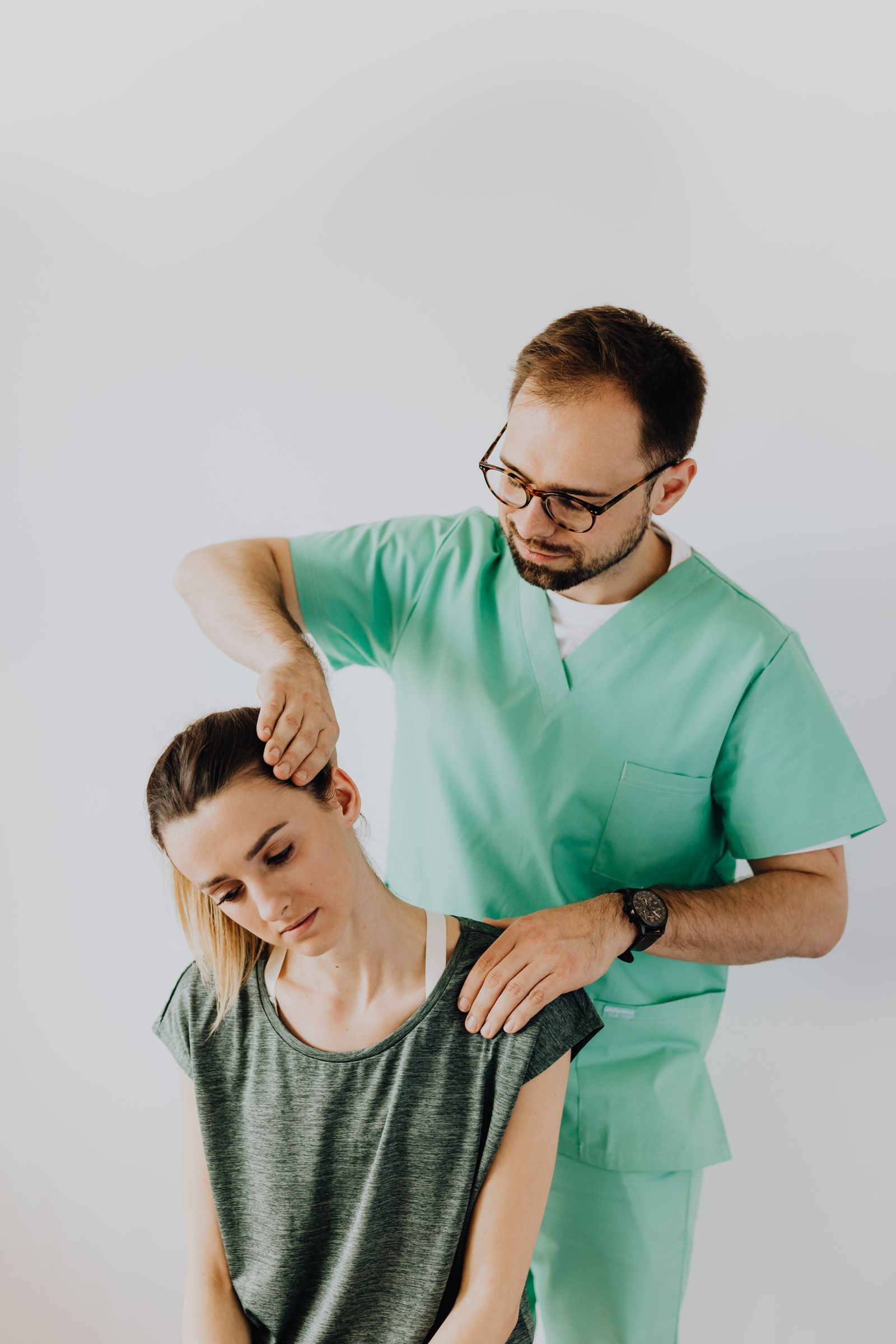
The session-design questions
"How will you adapt pressure, and how do I stop or change something mid-session?" Agree the feedback mechanism before you undress: a number scale, a word, a raised hand. With neuropathy, sedation from medication, or simple reluctance to complain, "just tell me if it hurts" is not a sufficient system, and a good therapist will propose check-ins rather than waiting for reports.
"What should I expect afterwards, and what should I report to you — or to my doctor?" Mild soreness after therapeutic work is common. What you want is the boundary line: which after-effects are normal, which mean the approach needs changing, and which — unusual swelling in an at-risk limb, bruising that spreads, new numbness or weakness — mean calling your medical team, not booking another session. New or progressive weakness, spreading numbness, major swelling, fever, or bowel and bladder changes are medical symptoms, not massage indications, and an ethical therapist will say so and refer you out.
"If this isn't helping, what happens?" The honest answers are: we change the approach, we stop, or I refer you to someone whose scope fits better. Massage therapists do not diagnose, and a therapist who never refers out is telling you their business model, not their clinical judgement.
Where to look, and how to choose
You are not short of options: this site's directory lists 1,702 practices under Therapeutic Massage and more than 5,600 under Massage & Bodywork overall, including 177 listings for licensed massage therapists and 155 for certified and registered practitioners. Volume is not the problem; filtering is. Start with the licence check, then the specialisation credential for your condition, then the phone call with the questions above. The right therapist will hear those questions as the sign of a patient they want. Keep looking until you find one who does.
Sources
- Wake Medical Massage, "Safety & Contraindications" — absolute and relative contraindication lists for medical massage, MLD and related work: https://wakemedical.massagetherapy.com/safety-contraindications
- American Institute of Alternative Medicine, "Contraindications for Massage" — absolute, local and relative contraindications explained; the 48–72 hour rule after acute injury: https://www.aiam.edu/massage-therapy/contraindications-for-massage/
- MedFit Network, "Oncology Massage" (Kathy Flippin, Dynamic Touch) — questions to ask an oncology therapist; lymphedema and deep-pressure precautions after lymph node removal: https://medfitnetwork.org/public/all-mfn/oncology-massage-by-kathy-flippin/
- Alongside Cancer Care, "Lymphedema massage after cancer" — CLT and CLT-LANA credentials and the 135-hour training standard (LE&RN/NCI): https://www.alongsidecancercare.com/lymphedema-massage
- Alongside Cancer Care, "Oncology massage: what it is and how to find a trained therapist" — Society for Oncology Massage guidance, state licence checks via FSMTB, questions before a first session: https://www.alongsidecancercare.com/oncology-massage
- Hands On HealthCare, "Questions to Ask a Massage Therapist" (Marla Kaplan, LMT, CLT) — intake completeness, scope of practice and referral signs: https://longislandmassageandspa.com/what-questions-should-you-ask-a-massage-therapist/
- Find-Therapy.com directory taxonomy, live listings queried November 24, 2026 — Therapeutic Massage 1,702 listings; Massage & Bodywork 5,637; Licensed Massage Therapists 177; Certified & Registered Massage Therapists 155.
Photos: photo by Karolina Kaboompics, https://www.pexels.com/photo/professional-massage-therapist-treating-a-female-patient-s-injured-neck-4506162/ ; photo by Karolina Kaboompics, https://www.pexels.com/photo/4506167/ — both via Pexels.
More guides
- How to Choose an Alternative Medicine Practitioner You Can TrustAlternative Medicine › Alternative Medicine
- What Alternative Medicine Actually Costs: A Realistic Price GuideAlternative Medicine › Alternative Medicine
- 10 Questions to Ask Before Your First Alternative Medicine AppointmentAlternative Medicine › Alternative Medicine
- Red Flags: When an Alternative Practitioner Is Selling, Not TreatingAlternative Medicine › Alternative Medicine
- How to Buy Natural Healing Products Without Wasting MoneyAlternative Medicine › Natural Healing Products & Services
- All Guides & ArticlesBrowse the full guides library