Alternative Medicine › Natural Healing Products & Services
Natural Healing Products vs. Prescription Medicine: Where the Line Is
If you live with a chronic condition, you have probably stood in two aisles on the same day: the pharmacy counter, where a prescription waits under your name, and the supplements aisle, where a bottle promises to support the very thing your prescription treats. Sixty percent of American adults took a dietary supplement in the past 30 days, according to the National Center for Health Statistics' survey of August 2021 to August 2023 — and among adults over 60, the group most likely to be managing something chronic, the figure was 75.9 percent. This is not a fringe habit. It is the normal, largely unspoken second layer of most people's care.
The question is not whether natural products are "good" or "bad." Some are useful, some are inert, and a few are genuinely dangerous in combination with the medicines they sit beside in your cabinet. The question is where the line runs — which jobs a natural product can reasonably do, which jobs belong to a prescription, and how to tell the difference before you are the one learning it the hard way.
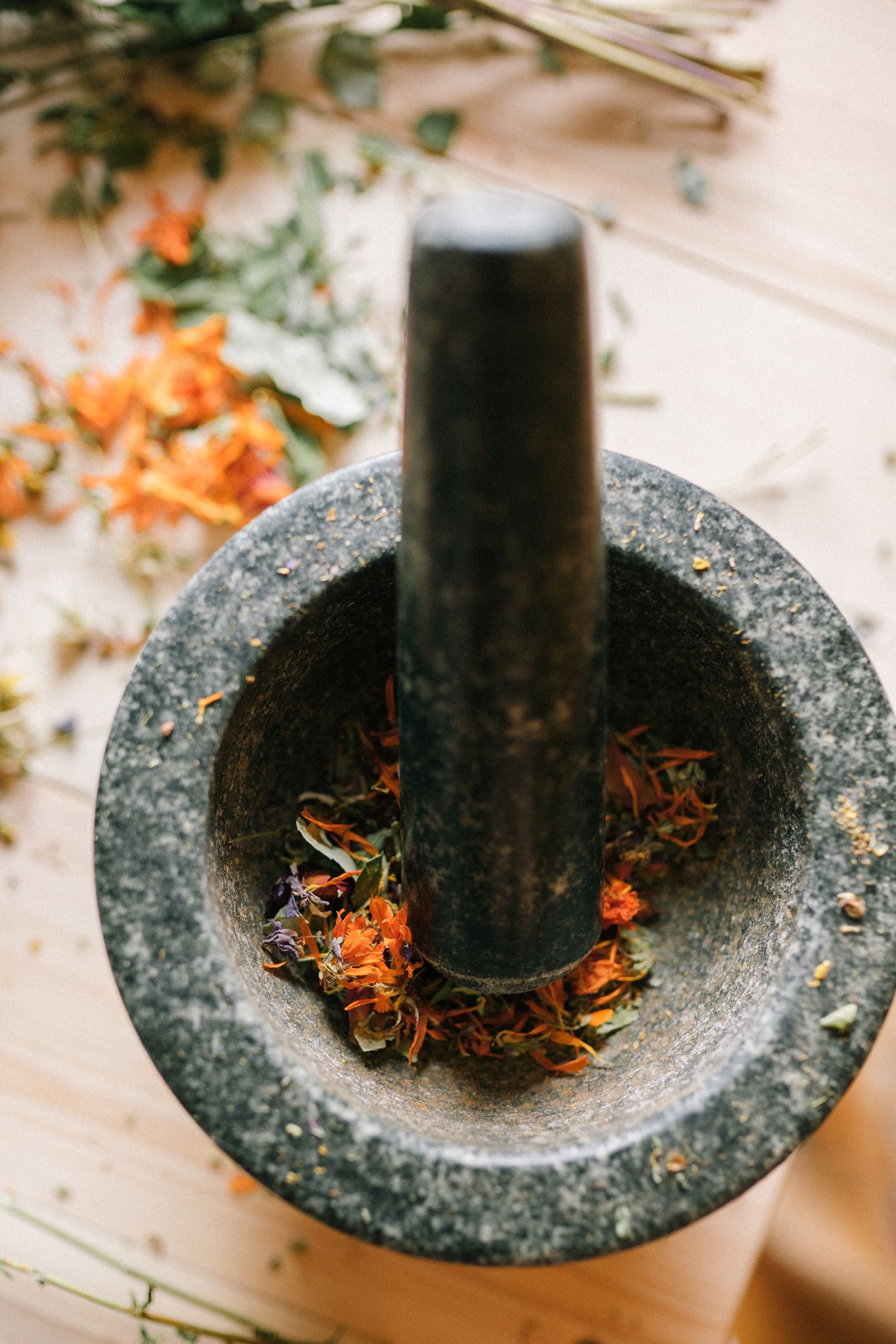
The two products are regulated like different species
Start with the least intuitive fact in American health care: a prescription drug and a supplement bottle that make adjacent promises have passed through entirely different legal doors.
A prescription drug cannot be sold until its manufacturer has shown the Food and Drug Administration, in advance, that it is safe and that it works for the condition on its label. A dietary supplement, under the Dietary Supplement Health and Education Act of 1994 (DSHEA), needs no such pre-approval. The FDA states plainly that it "does not have the authority to approve dietary supplements before they are marketed," and that a firm generally does not have to provide the agency with the evidence it relies on for safety before or after selling a product. The burden runs the other way: if a supplement turns out to be unsafe, it is largely the FDA's job to prove it and pull it.
That asymmetry explains the language on the bottles. A drug label can say it treats a disease. A supplement label legally cannot — claiming to diagnose, treat, cure, or prevent a disease would make it an unapproved drug. So supplements use what are called structure/function claims: "supports immune health," "helps maintain healthy blood sugar already in the normal range." Those phrases are not evasions invented by marketers; they are the exact shape the law leaves open. But they also mean the sentence on the front of the bottle has not been tested the way the sentence on a drug label has.
One practical consequence deserves emphasis, because it surprises people: the contents themselves are less certain. Manufacturers must follow good manufacturing practices covering identity, purity, quality, and strength, but there is no routine pre-market verification that what is in the capsule matches the label, in the stated amount, batch after batch. Independent testing programs exist precisely to fill that gap — and the fact that they are voluntary tells you how wide the gap is.
Where natural products can reasonably help
Dismissing the whole aisle would be as sloppy as trusting it. The federal National Center for Complementary and Integrative Health (NCCIH) sorts complementary approaches into those used alongside conventional care (complementary), those used instead of it (alternative), and coordinated combinations (integrative health) — and notes that most people who use non-mainstream approaches also use conventional care. Within that alongside role, some uses have real support:
- Correcting an actual deficiency. If blood work shows low vitamin D, iron, or B12, a supplement is not alternative medicine; it is the standard fix, often recommended by the same doctor who writes your prescriptions. The condition for success is the blood test, not the marketing.
- A short list of symptom uses with trial evidence. Melatonin for jet lag is the example federal health sources reach for repeatedly — a narrow, time-limited use with evidence behind it. Ginger for nausea and peppermint oil for irritable bowel symptoms sit in a similar, modest tier: not cures, plausible helpers.
- St. John's wort for mild to moderate depression — with a large asterisk. NCCIH's review is unusually candid: studies indicate St. John's wort may be helpful for mild or moderate depression, appearing more effective than placebo and about as effective as standard antidepressants in those trials. That is a stronger evidence base than most herbs ever get. The asterisk is the next section, and it is not small.
Notice the pattern. The credible uses are narrow, specific, and usually adjunctive — a deficiency corrected, a symptom eased, a mild condition supported while a clinician watches. None of them is "replaces the drug that is keeping a serious condition controlled."
Where the line hardens: conditions that punish delay or substitution
Some conditions forgive experimentation. A week of trying a tea for poor sleep costs you a week of poor sleep. Other conditions charge compound interest on every month they are undertreated, and this is where natural products stop being a reasonable substitute, however sincere the testimonial:
- Infections that need antimicrobials. A bacterial infection, pneumonia, a worsening skin infection — these have a known mechanism and a treatment that addresses it. Herbal support alongside antibiotics is a conversation; herbal replacement is a gamble with a clock on it.
- Diabetes, hypertension, and heart disease. These are managed, measurably, by numbers: A1C, blood pressure, LDL. Prescription drugs move those numbers in trials with hard outcomes — fewer strokes, fewer amputations, fewer deaths. A supplement that "supports" healthy numbers already in the normal range is, by its own label, not claiming to move yours. If you experiment here, the honest method is to keep measuring and let the numbers, not how you feel, judge.
- Cancer. No supplement has been shown to treat cancer, and substituting one for oncology care is the single most consistently harmful pattern in this entire field. Some complementary approaches do have a legitimate, evidence-reviewed role in easing treatment side effects — which is integrative care, arranged with the oncologist, not instead of one.
- Severe depression, psychosis, and suicidal thinking. Whatever the eventual place of botanicals in mild depression, severe mental illness is an emergency category. This is prescription-and-professional territory, urgently.
- Anything where stopping a drug is itself dangerous. Anticoagulants, anti-seizure medicines, transplant immunosuppressants, insulin, HIV antiretrovirals: these are not medications you taper because a natural alternative felt gentler. Withdrawal and under-treatment risks here are documented and severe.
The interaction problem: "natural" is not the opposite of "potent"
Here is the fact that reorganizes most people's thinking: the best-studied herb in the interaction literature is dangerous because it works. St. John's wort is a potent inducer of cytochrome P-450 enzymes and intestinal P-glycoprotein — the systems your body uses to clear drugs. Speed those systems up and prescription medicines leave your body faster, at lower levels than your doctor prescribed. NCCIH documents clinically significant interactions with the immunosuppressant cyclosporine (transplant patients have rejected organs this way), the antiretroviral indinavir, oral contraceptives, warfarin, digoxin, and benzodiazepines, among others. Combined with certain antidepressants, it can push serotonin into dangerous territory. An herb that can weaken birth control and anti-rejection drugs is not a soft option. It is an unmonitored one.
It is not alone. Federal herb–drug interaction reviews flag goldenseal — some tested commercial goldenseal supplements, in an NCCIH-funded study, contained little goldenseal and ingredients not on the label — along with a familiar cast of others whose effects on drug metabolism or bleeding risk matter if you take prescription medicine. Which, if you are managing a chronic condition, you do.
The scale of the background risk is measurable. A study in the New England Journal of Medicine by Geller and colleagues, using nationally representative surveillance from 63 emergency departments over 2004–2013, estimated 23,005 emergency department visits a year in the United States attributed to dietary supplement adverse events, resulting in about 2,154 hospitalizations annually. Herbal and complementary nutritional products accounted for roughly two-thirds of visits involving a single supplement (after excluding unsupervised ingestion by children), and weight-loss and energy products were behind most of the cardiac symptoms — palpitations, chest pain, rapid heart rate. Supplements are not the largest cause of medication harm; the same researchers put pharmaceutical adverse events far higher. But "regulated under a presumption of safety," as the authors put it, is doing real work in those numbers.
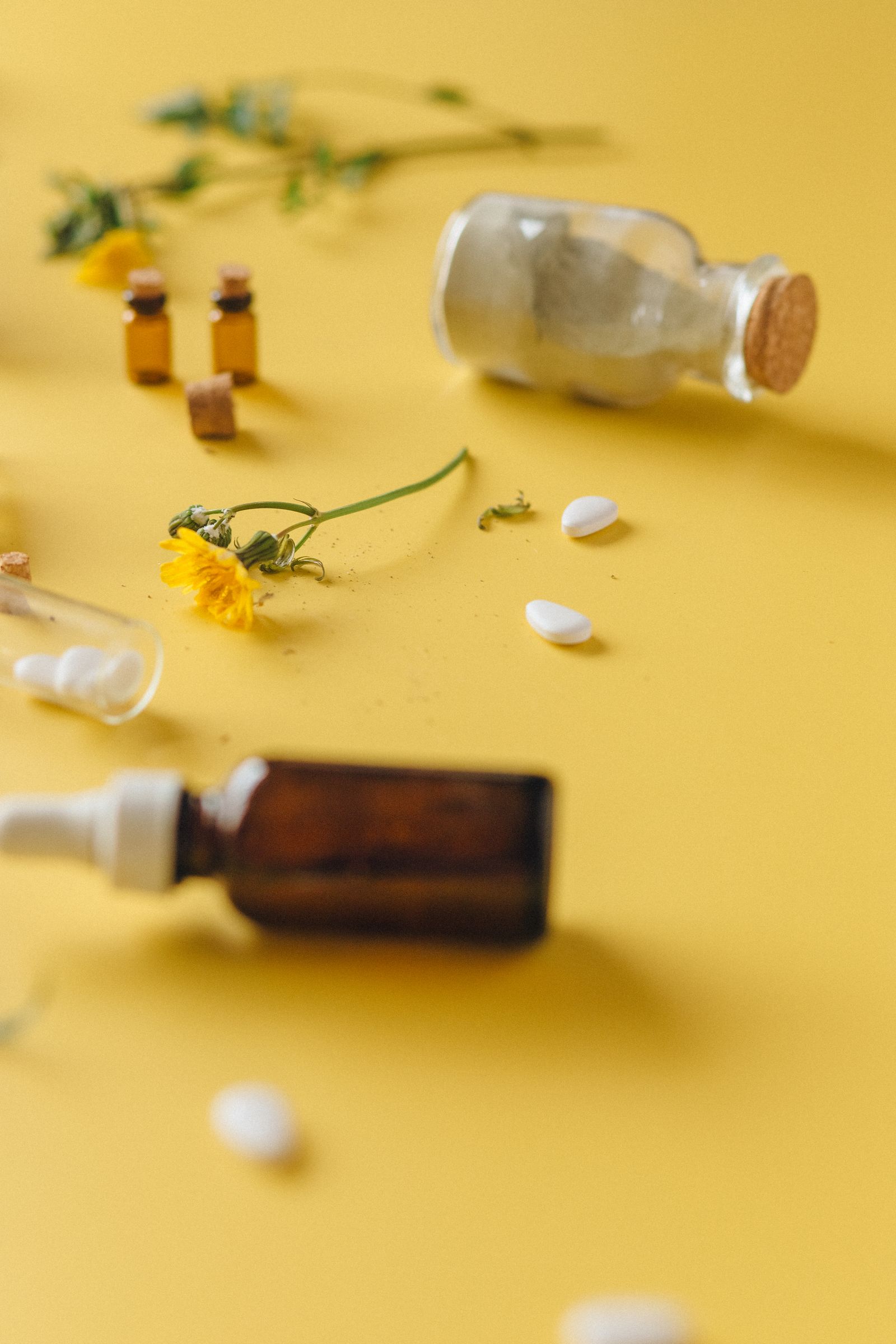
A working framework: five questions before any bottle joins your regimen
You do not need a pharmacology degree. You need a routine. Before a natural product joins — or replaces anything in — your regimen, run these five:
| Question | What a good answer looks like |
|---|---|
| What job is this doing? | A named, narrow job: correct a measured deficiency, ease a specific symptom. "Overall wellness" is not a job you can verify |
| What is the evidence tier? | A federal source (NCCIH, NIH Office of Dietary Supplements) describing human trials — not testimonials, not tradition alone |
| What does it interact with? | Checked against every prescription you take, by a pharmacist — the most underused free consultation in health care |
| What happens if it fails? | A mild consequence and a deadline: "If the number hasn't moved in 8 weeks, we stop." If failure means the condition advances silently, a doctor co-owns the experiment |
| Who knows I'm taking it? | Your prescriber and your pharmacist both have it on the list. An undisclosed supplement is the most common setup for an interaction injury |
Two red flags override everything else on the list. First: any seller who advises you to stop or reduce a prescription. That advice, from someone who does not hold your medical record, is the line between commerce and harm. Second: any product whose pitch depends on your doctor being part of a conspiracy to hide it. Legitimate complementary practitioners — and this directory lists 10,052 natural healing products and services businesses alongside 58 herbalists under Alternative Medicine, so the field is large and mostly ordinary — work in the open, ask what medications you take, and refer out when a problem is beyond their scope. Practitioners who position themselves against your medical care are telling you something important about themselves.
The line, stated plainly
Natural products reasonably support health at the margins where the stakes of failure are low, the evidence for a specific use exists, and a clinician who knows your full list is watching the outcome. Prescription medicine owns the territory where a condition is serious, progressive, measurable, or dangerous to leave undertreated — and where the drug itself is dangerous to stop. The two territories overlap in most real lives, which is why the most useful sentence in this whole subject is also the shortest: tell your doctor and your pharmacist everything you take, including the bottles that never needed a prescription. The line is not between natural and synthetic. It is between monitored and unmonitored — and you get to choose which side every bottle in your cabinet sits on.
Sources
- U.S. Food and Drug Administration, "Questions and Answers on Dietary Supplements" — DSHEA framework; FDA does not approve dietary supplements before marketing. https://www.fda.gov/food/information-consumers-using-dietary-supplements/questions-and-answers-dietary-supplements
- National Center for Health Statistics, Data Brief No. 561, "Dietary Supplement Use: United States, August 2021–August 2023" (NHANES) — 60.2% of adults used a supplement in the past 30 days; 75.9% of adults 60 and older. https://portugues.cdc.gov/nchs/data/databriefs/db561.pdf
- National Center for Complementary and Integrative Health, "St. John's Wort" — evidence for mild to moderate depression; documented interactions. https://www.nccih.nih.gov/health/st-johns-wort
- National Center for Complementary and Integrative Health, "Herb-Drug Interactions: What the Science Says" (December 2024) — cytochrome P-450 and P-glycoprotein induction; goldenseal product testing. https://www.nccih.nih.gov/health/providers/digest/herb-drug-interactions-science
- Geller, A.I. et al., "Emergency Department Visits for Adverse Events Related to Dietary Supplements," New England Journal of Medicine 2015;373:1531-40 — an estimated 23,005 ED visits and 2,154 hospitalizations per year. https://www.nejm.org/doi/pdf/10.1056/NEJMsa1504267
- Photo by Yan Krukau, https://www.pexels.com/photo/herbs-in-a-mortar-5480091/
- Photo by Nataliya Vaitkevich, https://www.pexels.com/photo/medicines-lying-over-a-yellow-surface-7526049/
More guides
- How to Choose an Alternative Medicine Practitioner You Can TrustAlternative Medicine › Alternative Medicine
- What Alternative Medicine Actually Costs: A Realistic Price GuideAlternative Medicine › Alternative Medicine
- 10 Questions to Ask Before Your First Alternative Medicine AppointmentAlternative Medicine › Alternative Medicine
- Red Flags: When an Alternative Practitioner Is Selling, Not TreatingAlternative Medicine › Alternative Medicine
- How to Buy Natural Healing Products Without Wasting MoneyAlternative Medicine › Natural Healing Products & Services
- All Guides & ArticlesBrowse the full guides library