Alternative Medicine › Natural Healing Products & Services
How to Prepare for Natural Healing Products and Services: The Week Before, the Day Itself, and After
If you live with chronic pain, you have probably already done the hardest part before you book anything: you have decided, usually after months of ordinary care that helped some and solved nothing, to try something else. A course of acupuncture. A therapeutic massage series. An herbal product a friend swears by. Then the appointment sits on the calendar and a quieter question arrives — what are you supposed to do before it?
Most people do almost nothing, and that is not laziness. Clinics rarely tell you. Product labels rarely tell you. The preparation that actually matters is unglamorous: a complete list of everything you take, a clear statement of what success would look like, and a plan for judging the result afterwards instead of drifting into an open-ended series of visits and bottles. Done in the week before, it takes about an hour in total. It will change what happens in the room more than any supplement you could buy for the occasion.
The week before: build the list nobody else will build for you
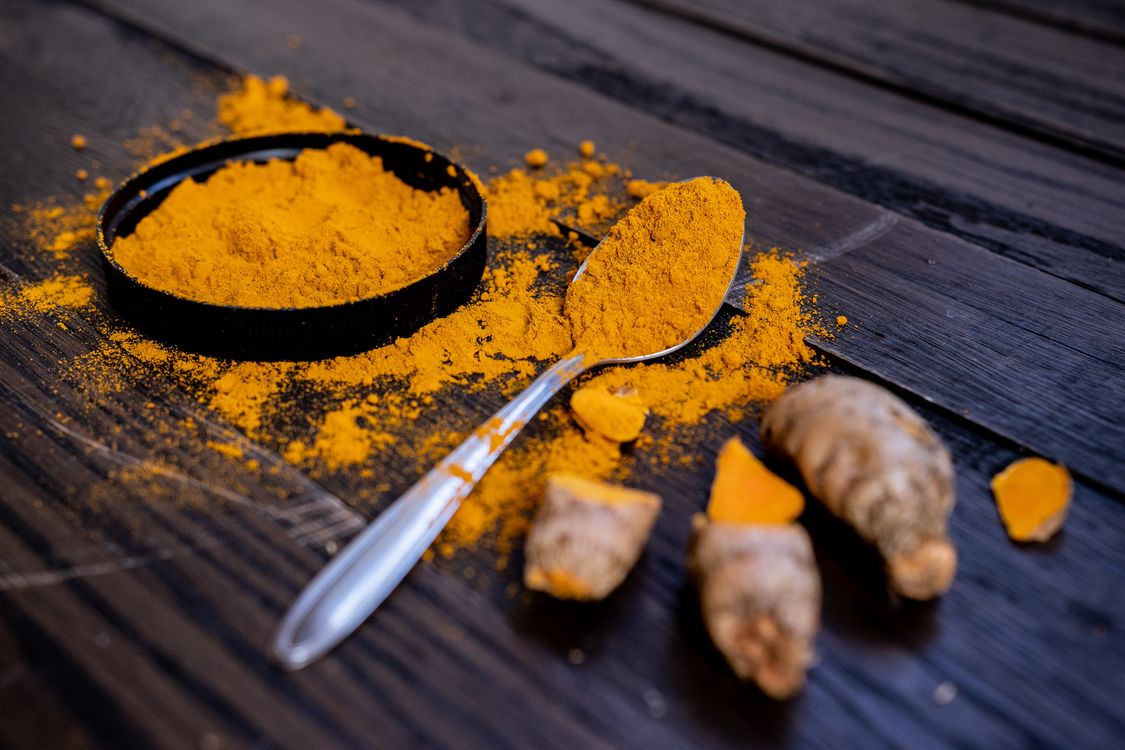
Start with a single sheet — paper is fine — listing everything that goes into your body on purpose. Prescription medicines, with doses and times. Over-the-counter painkillers, including how many days a week you actually take them, not how many the bottle suggests. Vitamins, herbal products, teas you drink medicinally, tinctures, gummies, protein powders with added botanicals, and anything a previous practitioner sold you that is still in the cupboard and still being taken.
This list matters more in complementary care than in almost any other setting, for a structural reason. The National Center for Complementary and Integrative Health (NCCIH) warns that herbal supplements can interact with prescription medicines — weakening some, amplifying others, and raising bleeding risk around surgery in the case of products such as garlic and ginkgo supplements taken alongside anticoagulants. St. John's wort is the textbook example: it can reduce the effectiveness of a long list of medicines, from some antidepressants and birth control pills to transplant and HIV drugs. None of that makes these products forbidden. It makes them undisclosed at your peril. Your practitioner cannot screen for an interaction with a product they have never heard of, and your prescribing doctor cannot either. The list is how both of them get the chance.
Bring the list to the appointment, and send the same list to your regular doctor or pharmacist before you start anything new you swallow. Pharmacists, in particular, are an underused free resource here: interaction-checking is their daily work, and they will usually run a new product against your prescriptions without an appointment.
The week before: decide what a result would look like
Chronic pain is a moving target — it varies with sleep, weather, workload and mood — which makes "see how you feel" a useless test. Before the first session or the first bottle, write down three things:
- A baseline. Rate your pain on the ordinary 0–10 scale, morning and evening, for three or four days. Note what it stops you doing: the walk you cut short, the stairs you avoid, the night you wake at 3 a.m.
- A functional goal. Not "less pain" but something countable — sit through a workday without lying down, walk the dog the full loop, reduce night waking to twice a week.
- A review date. For a hands-on therapy, typically after a defined block of sessions the practitioner proposes. For a product, the period on the label or the period your practitioner names — and no longer.
That third item is the one people resist, and it is the most protective. A practitioner who can name a review point — "six sessions, then we reassess against your goal" — is practising. One who can only sell an indefinite course, paid in advance, is doing something else. Decide your review date before anyone has had the chance to move it.
The week before: check the product and the practitioner, separately
If your plan involves buying a product, understand the regulatory ground it stands on. Under the Dietary Supplement Health and Education Act of 1994, the U.S. Food and Drug Administration does not approve dietary supplements for safety or effectiveness before they are sold, and manufacturers generally do not have to show the FDA their safety evidence before marketing. The practical consequences for your preparation week:
- Read the Supplement Facts panel, not the front of the bottle. You want every ingredient named with an amount, not hidden inside a "proprietary blend" that gives a total weight and nothing else.
- Treat disease claims — treats, cures, prevents — as disqualifying. Supplements may make structure-and-function claims ("supports joint health"), which must carry the disclaimer that the statement has not been evaluated by the FDA. A product that promises to cure your condition is breaking the rules that do exist, which tells you something about the company.
- Look for independent quality testing seals such as USP Verified or NSF, which speak to identity, strength and contaminants. They do not prove a product works; they improve the odds that what is on the label is what is in the bottle.
For the practitioner, the checks are different and quicker. Most hands-on therapies in this space are state-licensed — acupuncturists and massage therapists in nearly every state, chiropractors in all of them — so confirm the licence is current on your state board's lookup. Ask who will actually treat you, how long the first visit runs (a genuine first acupuncture visit commonly runs 60 to 90 minutes because the intake is the treatment plan), and what the follow-up rhythm and cost will be if it works. Ask those questions by phone before you are on the table in a paper gown, when saying no is much harder.
Two days before: the practical sort-out
Confirm the logistics that pain makes fragile. How long will you be lying still, and on your front, back or side? If a position is impossible for you, say so now — practitioners adapt routinely, but better before the room is set up. Arrange the hour afterwards to be empty if you can; a first session of almost anything — needling, deep bodywork, a new product with an unknown effect on you — is a poor thing to follow immediately with a demanding meeting or a long drive.
Gather what you will bring: the medication-and-supplement list, any imaging or reports relevant to the pain (the MRI summary, not the disc), your insurance card if the clinic bills plans, and your baseline notes. If intake forms arrive by email or portal, complete them at home, fully. Clinics repeatedly give the same advice for a reason: the intake asks about medications, supplements, surgeries, allergies, pregnancy and major conditions because the answers change the treatment, and a form filled in carefully at a kitchen table beats one filled in from memory in a waiting room.
The day itself: eat, dress, arrive able to talk
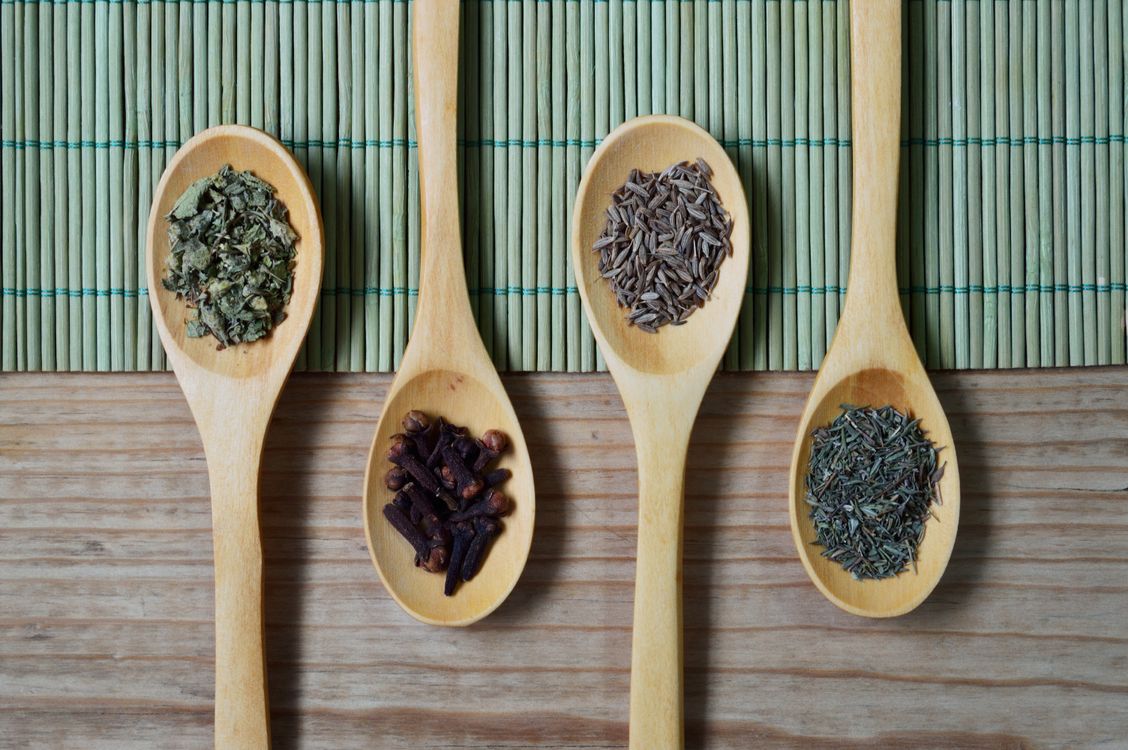
The standard advice from acupuncture and bodywork clinics is consistent because the failure modes are consistent. Eat lightly an hour or two beforehand — arriving fasting risks light-headedness during treatment; arriving after a heavy meal makes lying still miserable. Wear loose clothing that can be rolled above the elbows and knees, which reaches most commonly used acupuncture points and most bodywork without a full change. Go easy on alcohol that day, and be honest about caffeine, painkillers taken that morning, and anything else — the practitioner is calibrating, not judging.
Then use the consultation. A first visit should include a real history: not only where it hurts, but sleep, digestion, stress, previous treatment and what helped even slightly. Expect questions that seem unrelated to your back or your knee; whole-system intakes are normal in these traditions. Ask your own questions in return, and make sure two of them are these: What are you treating, in your terms — and how will we know if it is working? and What should I stop, start or avoid while we do this? If a herbal product is recommended, ask what it interacts with and why it was chosen over the alternatives, and write the answer down. You are entitled to a reasoning, not just a bottle.
Do not agree, on day one, to a long prepaid plan. Whatever the therapy, the honest unit of commitment is the trial block ending at your review date. Pressure to buy the year, today, at a discount that expires today, is the single most reliable warning sign in this entire field.
The first 24 hours after
Mild after-effects are common and usually meaningless: soreness where you were worked on, tiredness after needling, a temporary flare that settles within a day or two. Note them in the same notebook as your baseline, with times. What you are building is a record your future self can trust more than a general impression formed six weeks later.
Three things should prompt a same-day call to the clinic, and urgent care or your doctor if you cannot reach it: pain that is sharply worse rather than dully worse; new numbness, weakness or loss of bladder or bowel control alongside back pain; and, after starting a new product, signs of an allergic or adverse reaction — rash, swelling, palpitations, yellowing eyes, unusual bleeding or bruising. Stop the new product while you seek advice. And report serious supplement problems: the FDA collects adverse-event reports from consumers, and that reporting is part of how unsafe products eventually get pulled.
Do not change your prescription medicines because a session felt good. If a therapy works, the conversation about reducing medication belongs with the prescriber, armed with your notes — which is another reason the notes exist.
The weeks after: judge it the way you said you would
At the review date, go back to the three things you wrote down. Compare the baseline numbers with the last week of numbers. Ask whether the functional goal moved — not whether pain vanished, which chronic pain rarely does on command, but whether the walk got longer, the nights got better, the painkiller days got fewer. NCCIH's summary of the evidence for complementary approaches to chronic pain is measured in exactly this way: acupuncture, yoga, tai chi, massage and mindfulness approaches show modest, real benefits for some chronic pain conditions for some people. Modest and real is a worthwhile outcome. It is also an outcome you can only recognise if you measured.
Then make one of three decisions, cleanly. Continue, because the agreed measure improved and the cost in money and time is proportionate. Adjust, once, with a new review date — a different frequency, a dropped product, an added one. Or stop, without guilt and without a sunk-cost argument, because the trial did what trials are for. The worst outcome in complementary care is rarely harm; it is drift — the indefinite, unmeasured continuation of something that stopped being a question months ago.
A short checklist to copy
| When | Do this |
|---|---|
| A week before | Write the full medication-and-supplement list; send new products past your pharmacist or doctor |
| A week before | Record a 3–4 day pain baseline and one functional goal; set a review date |
| A week before | Verify the practitioner's licence; read the Supplement Facts panel, not the front label |
| Two days before | Complete intake forms at home; gather imaging summaries and insurance card; confirm positions you cannot manage |
| The day | Eat lightly 1–2 hours before; wear loose clothing; ask how success will be judged |
| After | Log after-effects; call promptly for sharp worsening, new weakness or a product reaction |
| At review | Compare against baseline; continue, adjust once, or stop — on the numbers |
Finding the right help
Preparation travels: the same list, baseline and review date will serve you at an acupuncture clinic, a massage practice or a naturopath's office, and they will make you a better historian for your regular doctor too. When you are ready to look, this site lists 10,052 natural healing products and services — a number large enough that the shortlist should be built the way this guide suggests: licensed where licensing exists, transparent about what is being sold and why, and willing to be judged at a date you choose. Walk in with your list and your goal written down, and you have already done the part of the work that no one else can do for you.
Sources
- National Center for Complementary and Integrative Health (NCCIH), Pain: Considering Complementary Approaches — what the evidence shows for acupuncture, massage, yoga, tai chi and other approaches to chronic pain, and how to use them safely.
- National Center for Complementary and Integrative Health (NCCIH), guidance on herbal supplements and drug interactions — St. John's wort weakening prescription medicines; garlic and ginkgo supplements and bleeding risk with anticoagulants and around surgery.
- U.S. Food and Drug Administration, Questions and Answers on Dietary Supplements — under the Dietary Supplement Health and Education Act of 1994 the FDA does not approve supplements for safety or effectiveness before marketing, and what manufacturers must and need not show.
- NIH Office of Dietary Supplements, Dietary Supplements: What You Need to Know — supplements are not medicines, how safety and quality vary, and why label claims need care.
- Turmeric powder and root — photo by Karl Solano, https://www.pexels.com/photo/close-up-shot-of-turmeric-powder-6220710/
- Herbs and spices in wooden spoons — photo by Miguel Á. Padriñán, https://www.pexels.com/photo/brown-wooden-spoon-with-herbs-on-top-of-green-bamboo-mat-and-brown-wooden-surface-130980/
More guides
- How to Choose an Alternative Medicine Practitioner You Can TrustAlternative Medicine › Alternative Medicine
- What Alternative Medicine Actually Costs: A Realistic Price GuideAlternative Medicine › Alternative Medicine
- 10 Questions to Ask Before Your First Alternative Medicine AppointmentAlternative Medicine › Alternative Medicine
- Red Flags: When an Alternative Practitioner Is Selling, Not TreatingAlternative Medicine › Alternative Medicine
- How to Buy Natural Healing Products Without Wasting MoneyAlternative Medicine › Natural Healing Products & Services
- All Guides & ArticlesBrowse the full guides library