Alternative Medicine › Massage Schools
How to Prepare for Massage Schools: The Week Before, the Day Itself, and After
The week before massage school starts is when the money questions stop being theoretical. You have signed an enrollment agreement, the tuition figure is real, and suddenly there are smaller numbers attached to it: books, a kit, a technology fee due on day one, maybe a table. Most of the stress new students describe is not about the coursework. It is about arriving underprepared for costs and paperwork that were knowable in advance. This guide walks through the three windows that matter — the week before, the first day itself, and the weeks after — with the actual prices attached, so you can prepare like someone who has read the catalog rather than someone hoping it works out.
For scale: this site lists 109 massage schools, and the programs behind those listings vary more than their brochures suggest. State minimum training hours run from 500 in states like Texas, Florida and Arkansas to 1,000 in Nebraska and New York. Tuition averages about $12,148 across accredited programs nationally, with community colleges typically at $5,000 to $12,000 and private schools at $15,000 to $25,000. Everything in your preparation week flows from which of those programs you chose — so start there.
Before the Week Before: Know What You Actually Bought
Preparation fails when students prepare for a generic program instead of their specific one. A week out, you should be able to answer five questions from your enrollment paperwork without guessing. How many hours is your program, and does it meet your state's licensing minimum with room to spare? Is the school approved by your state board — the approval that makes your hours count toward a license? What does tuition include, line by line: books, kit, table, exam fees, or none of those? What is the payment schedule, and what happens to your balance if you withdraw in week three? And does the program qualify for federal financial aid, which generally requires at least 600 hours and proper accreditation — a threshold that has pushed several states to raise their minimums in recent years?
That last question matters more than it used to. A 500-hour program in a 500-hour state can be a perfectly good, fast route to licensure — five to nine months full-time — but if it falls below the federal aid threshold, you are paying out of pocket or through private arrangements regardless of what the admissions conversation implied. Read the catalog's cost page, not the marketing page. One North Carolina school's catalog, for example, lists tuition at $9,590 plus a $25 application fee, books at $650, a $180 technology fee due the first day, and supplies at $50 to $100 — a model of clarity, and the standard to hold your school to. If your school's numbers are vaguer than that, the week before is when to get them in writing, while you can still ask questions without a class schedule pressing on you.
The Week Before: Money, Paperwork and the Kit
Work through four buckets in the seven days before your start date.
Money. Confirm how the first payment is made and when it clears — a surprising number of first-week problems are a card limit or a check that has not landed. Set aside the non-tuition costs that arrive immediately: books typically run $230 to $860 depending on the school, and kits vary just as widely. One college's published kit list totals about $1,430 with tax and includes a massage table with face cradle at $332, a bolster, a lotion holster, textbooks including Trail Guide to the Body and an MBLEx prep book, and uniforms. Another school bundles a mandatory $299 supply kit with the two standard textbooks. The spread is the point: do not budget from a blog's average when your school's own list exists.
Paperwork. Schools typically require proof of age (you must be at least 18 to license in most states), a high school diploma or equivalent, immunization or health records at some institutions, and a signed enrollment agreement. If your state requires a background check or fingerprinting at licensing, some schools start that process at enrollment. Gather documents now, in a folder, physical or digital — chasing a diploma transcript during your first week of anatomy is a self-inflicted wound.
The table decision. A personal massage table is the largest single supply question, and schools split on it: some bundle one, some sell one at $300 to $550, some list it as optional at $550 to $875, and some do not require one at all because classroom and clinic practice happens on school equipment. The honest case for buying early is home practice — palpation and technique repetition are where the hours compound. The honest case for waiting is that you do not yet know what height range, width and weight capacity suit your body and your likely clients, and a semester of working on varied school tables teaches you that cheaply. If your school makes it optional, the clinic-administration answer is: wait unless the student discount is genuinely time-limited, and verify that claim against retailer prices before believing it.
Your body and schedule. Massage school is physical work layered on study. Programs commonly run 20 to 30 scheduled hours a week full-time, plus homework. The week before is when to fix sleep, arrange the childcare or shift swaps the schedule requires, and stop treating the start date as flexible — attendance rules in clock-hour programs are strict, because your license depends on documented hours, and missed hours usually must be made up, sometimes at a fee.
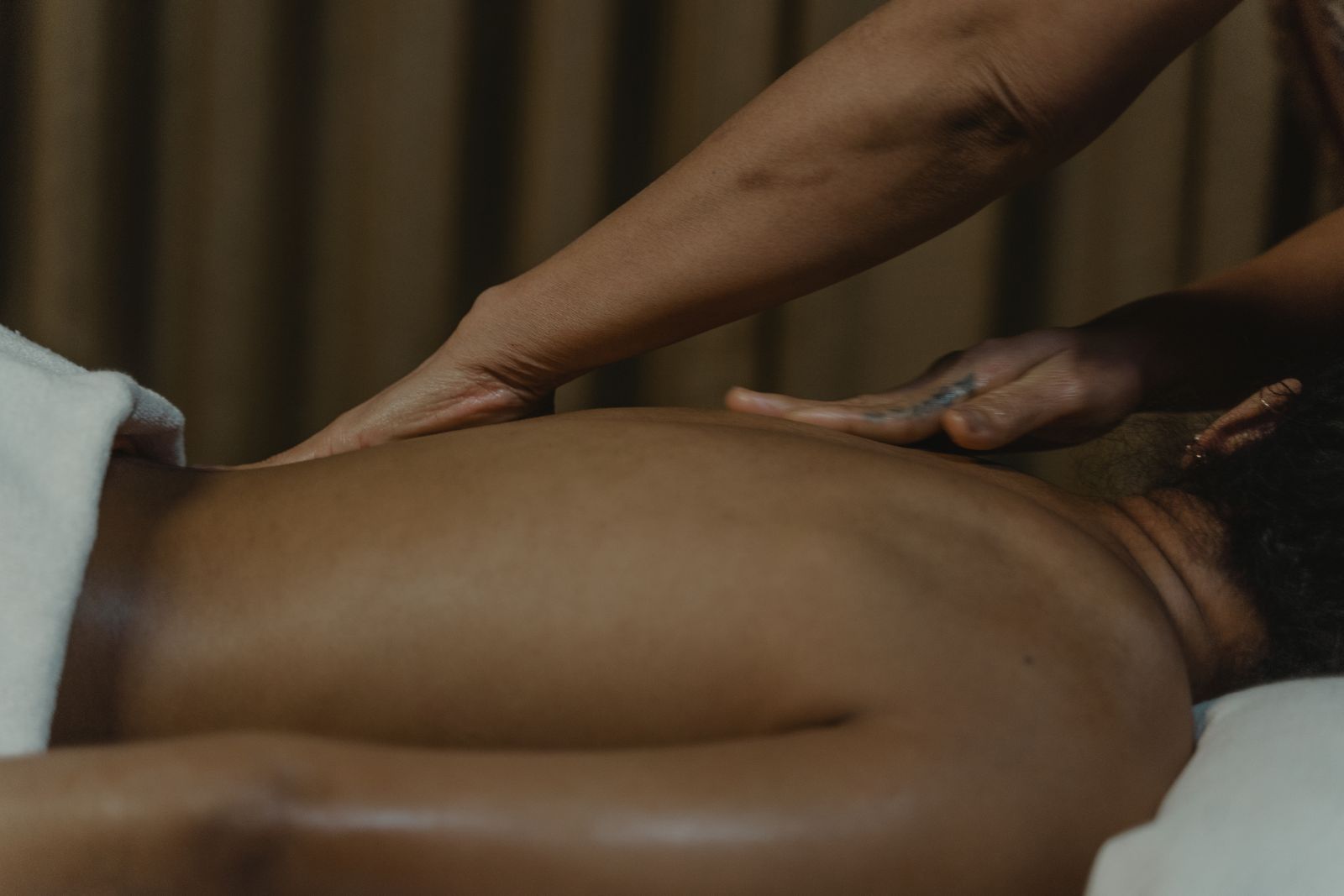
The Day Itself: What to Have Ready
Arrive with the folder, the payment method, and the kit basics your school specified — typically linens, lotion or oil, a holster, note-taking materials and whatever uniform or dress code applies, which at many schools means scrubs or a polo, closed-toe shoes and hair secured. Bring more linens than you think you need; laundry logistics surprise every cohort.
Use the first day for intelligence-gathering, not just orientation. Get the attendance and make-up-hour policy in writing. Get the clinic schedule — when student clinic begins, how clients are booked, and whether clinic hours carry their own requirements like student liability insurance, which runs roughly $50 to $150 a year when a school requires you to carry your own. Note the refund schedule's remaining milestones. And find out exactly which end-of-program costs the school covers, because the licensing bill arrives fast at the other end: the MBLEx exam costs $265 per attempt, and state license applications add their own fees — $100 in Texas, $155 total in Florida, $108 in New York — plus fingerprinting, typically $40 to $90. Students who budgeted only for tuition meet those numbers at the worst possible moment, right at graduation.
After: The First Month and the Long Middle
The "after" in this guide is not graduation — it is the stretch where preparation either pays off or unravels.
In the first month, build the two habits the program will quietly grade you on. The first is body mechanics: you will practice on classmates before clients, and the students who last are the ones who treat table height, stance and their own hands as coursework rather than afterthoughts. The second is study rhythm for anatomy and pathology, the subjects the MBLEx weights heavily and the ones students most often try to cram at the end. Spaced repetition started in week two beats heroics in the final month, and MBLEx prep materials run $50 to $150 if your kit did not include them.
Financially, the middle of the program is when to run the completion math. Lay out your remaining tuition payments against the fixed end-of-program costs — $265 for the exam, your state's application and fingerprint fees, insurance, and a table if you deferred one — and check the total against your original budget. One published all-in estimate, from a Colorado school's catalog, puts a $12,000 tuition program at $12,400 to $13,972 total once books, licensing and the MBLEx are counted. If your numbers are drifting above the plan, the middle of the program is when a conversation with the school's office still has options attached to it.
Also use the middle to verify, once, that your school's state approval and your hours are being documented as promised. It takes one question to the registrar and protects the entire investment: your license application will require transcripts of exactly those hours, and discrepancies are far easier to fix at hour 200 than at hour 500.
When Student Clinic Starts: The Second Preparation
Midway through most programs, the audience changes: instead of classmates who know exactly what a technique should feel like, you are working on members of the public who booked a low-cost student session. This is the second preparation point, and students who treat it as just more hours miss what it is for. Clinic is where intake conversations, draping discipline, session timing and basic treatment notes stop being classroom topics and become habits — and it is also where schools quietly evaluate professionalism: punctuality, room turnover, laundry, and how you handle a client who reports a condition your training says to refer out.
Prepare for it the way you prepared for day one. Confirm whether clinic shifts require your own linens and supplies or the school's, whether tips are accepted or prohibited (policies differ, and guessing wrong is awkward), and how client feedback reaches you. Start your licensing file during clinic, not after graduation: in most states you can apply for the MBLEx while still enrolled or immediately on completion, and the FSMTB's processing — education verification typically takes about five business days — plus your state's background check means the license rarely arrives the week you finish. Students who sequence the paperwork during their final clinic weeks start work weeks earlier than students who begin it at graduation, on identical coursework.
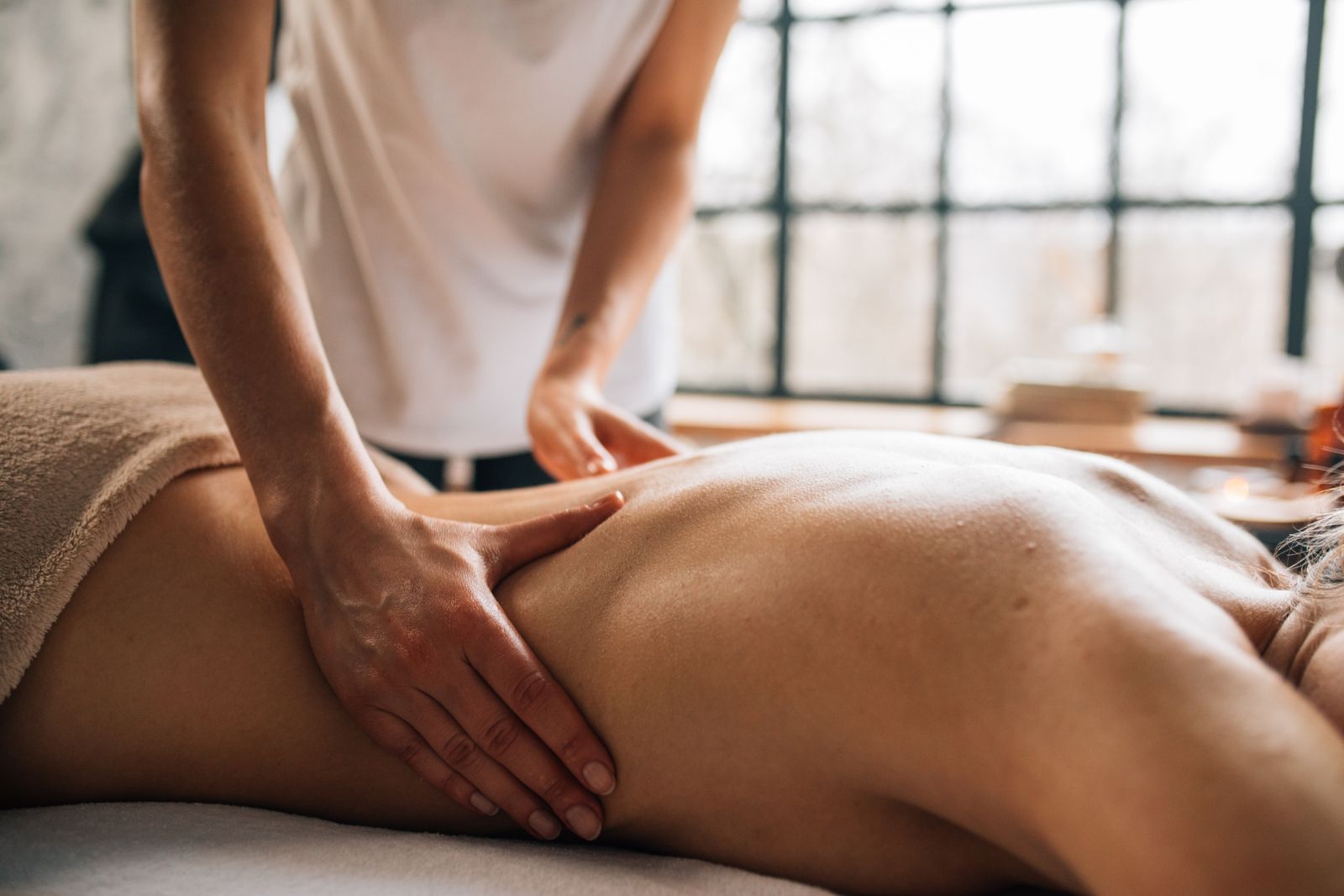
The Preparation Checklist, Condensed
| When | Do this | Typical cost |
|---|---|---|
| Week before | Confirm tuition inclusions and payment schedule in writing | — |
| Week before | Buy books and kit per your school's own list | $230–$1,430 |
| Week before | Decide on a table: bundled, discounted, or defer | $0–$875 |
| Day one | Bring documents folder, linens, uniform, payment method | — |
| Day one | Get attendance, make-up and refund policies in writing | — |
| First month | Start anatomy study rhythm; arrange liability insurance if required | $50–$150 |
| Mid-program | Budget the exit costs: MBLEx $265, state license $100–$155, fingerprinting $40–$90 | ~$405–$510 |
The Point of Preparing
Massage school is one of the shorter, cheaper routes into licensed healthcare work — an average of about eight months and a five-figure total cost at the high end, against years and six figures elsewhere in the building. That value holds only if you finish, and finishing is mostly logistics: the right documents, the real cost sheet, a body and a schedule that can sustain the hours. The week before, the day itself and the weeks after are where that is decided. Prepare for the program you actually enrolled in, at the prices your own catalog prints, and the coursework becomes the only hard part — which is how it should be.
Sources
- CollegeTuitionCompare data via Dreambound — average massage program tuition of $12,148 and books/supplies of $1,132 across 220 accredited programs; community college and private school ranges
- FSMTB, MBLEx Candidate Handbook and FAQs — $265 exam fee per attempt, 100 questions in 110 minutes, result transfer and rescheduling fees
- Texas Department of Licensing and Regulation — $100 license application fee, 500-hour requirement, fingerprinting
- Florida Board of Massage Therapy — $155 total initial licensing fees
- NC Massage School catalog — tuition $9,590, books $650, technology fee, supplies and optional table pricing
- Capri College massage therapy kit list — itemized student kit totaling about $1,430 including table, textbooks and uniforms
- AMTA state regulation summaries — minimum education hours by state, from 500 to 1,000
- Estes Park Massage School catalog — all-in program cost estimate including MBLEx and state licensing
Photos: Massage training session, photo by Tima Miroshnichenko, https://www.pexels.com/photo/6187290/ — Massage practice, photo by KoolShooters, https://www.pexels.com/photo/6628649/
More guides
- How to Choose an Alternative Medicine Practitioner You Can TrustAlternative Medicine › Alternative Medicine
- What Alternative Medicine Actually Costs: A Realistic Price GuideAlternative Medicine › Alternative Medicine
- 10 Questions to Ask Before Your First Alternative Medicine AppointmentAlternative Medicine › Alternative Medicine
- Red Flags: When an Alternative Practitioner Is Selling, Not TreatingAlternative Medicine › Alternative Medicine
- How to Buy Natural Healing Products Without Wasting MoneyAlternative Medicine › Natural Healing Products & Services
- All Guides & ArticlesBrowse the full guides library