Alternative Medicine › Holistic Health
Holistic Health Care in 2026: What Changed in Prices, Rules and Availability
Holistic health care used to be the appointment you kept quiet about. In 2026 it is the appointment a third of the country is comparing prices on. The federal survey data explains the scale: 36.7 percent of U.S. adults used at least one of seven complementary health approaches in 2022, up from 19.2 percent in 2002. Meditation, at 17.3 percent of adults, is now the most-used approach, ahead of yoga at 15.8 percent. Among people who use these approaches at all, the share using them specifically for pain rose from 42.3 percent in 2002 to 49.2 percent in 2022.
That growth changed the market more than the medicine. What you will actually notice in 2026 is not a new therapy. It is a new price structure, a patchwork of licensing rules that rewards checking, and availability that splits sharply between a cash-pay front door and a much narrower insurance-covered one. This guide is the current-year map, written for people comparing practitioners on price — which, given that most of this care is paid out of pocket, is most people.

Prices: the membership is the product now
The single biggest pricing change is structural. Long, unhurried first appointments were always the selling point of holistic and functional practice. What is new is how they are packaged: increasingly as memberships, quarterly retainers and prepaid programs rather than as a visit you buy one at a time.
Current published pricing for functional and integrative practices puts the entry point like this:
| What you are buying | Typical 2026 price | What to notice |
|---|---|---|
| Initial consultation, physician (MD/DO) | $400–$950, averaging about $550 | Usually 75–120 minutes; the credential drives the price |
| Initial consultation, nurse practitioner or physician assistant | $200–$450, averaging about $325 | Often the same intake process at roughly half the physician price |
| Initial consultation, naturopathic doctor | $250–$500, averaging about $375 | Availability depends heavily on whether your state licenses NDs |
| Follow-up visit | $100–$350 | Shorter, and where the real annual cost accumulates |
| Comprehensive lab panel | $800–$2,400 | Frequently not covered by insurance; always priced separately from the visit |
| Annual membership | Median about $2,640 a year | Up from a median of about $2,160 in 2023 |
Add it up honestly and a first year of cash-pay functional care commonly lands between $2,000 and $8,000 or more once labs and supplements are included, with an average cash-pay patient spending about $5,247 a year across care, labs and supplements. Prices have risen roughly 8 to 12 percent since 2023 across most practice types. None of that makes the care bad. It makes the first question a financial one: what does the whole first year cost, in writing, before the first needle, adjustment or supplement is sold?
Geography still moves the number more than any single credential. Published 2026 pricing puts an average physician initial visit at $550 to $950 in the Northeast, $500 to $800 on the West Coast, and $350 to $550 across much of the Midwest, with nurse practitioner and physician assistant intakes following the same pattern at roughly half the price. A quote that looks outrageous in one region can be ordinary in another, which is why national averages are a starting point for suspicion, not a verdict. Compare inside your own market first: three local quotes teach you more about a fair price than any national table, including the one above.
Three pricing habits deserve a patient's suspicion in 2026. The first is the consultation priced without the labs, when the practice's own protocol makes those labs effectively mandatory. The second is the supplement protocol — commonly $75 to $200 a month in ongoing care — presented as part of the treatment rather than as a retail purchase you can price elsewhere. The third is the discount that only exists inside a membership: a lower per-visit price in exchange for a year of commitment to a practitioner you have met once. Compare the pay-as-you-go total against the membership total for the same number of visits. If the practice cannot produce both numbers, it is selling the membership, not the care.
Rules: there is no national license for "holistic"
The rule that matters most has not changed, and 2026 has not fixed it: there is no standardized national system for credentialing complementary health practitioners. The National Center for Complementary and Integrative Health states it plainly — state governments decide what credentials a practitioner must have, and the requirements vary widely from state to state and from discipline to discipline.
In practice that means three very different tiers share the same shop window:
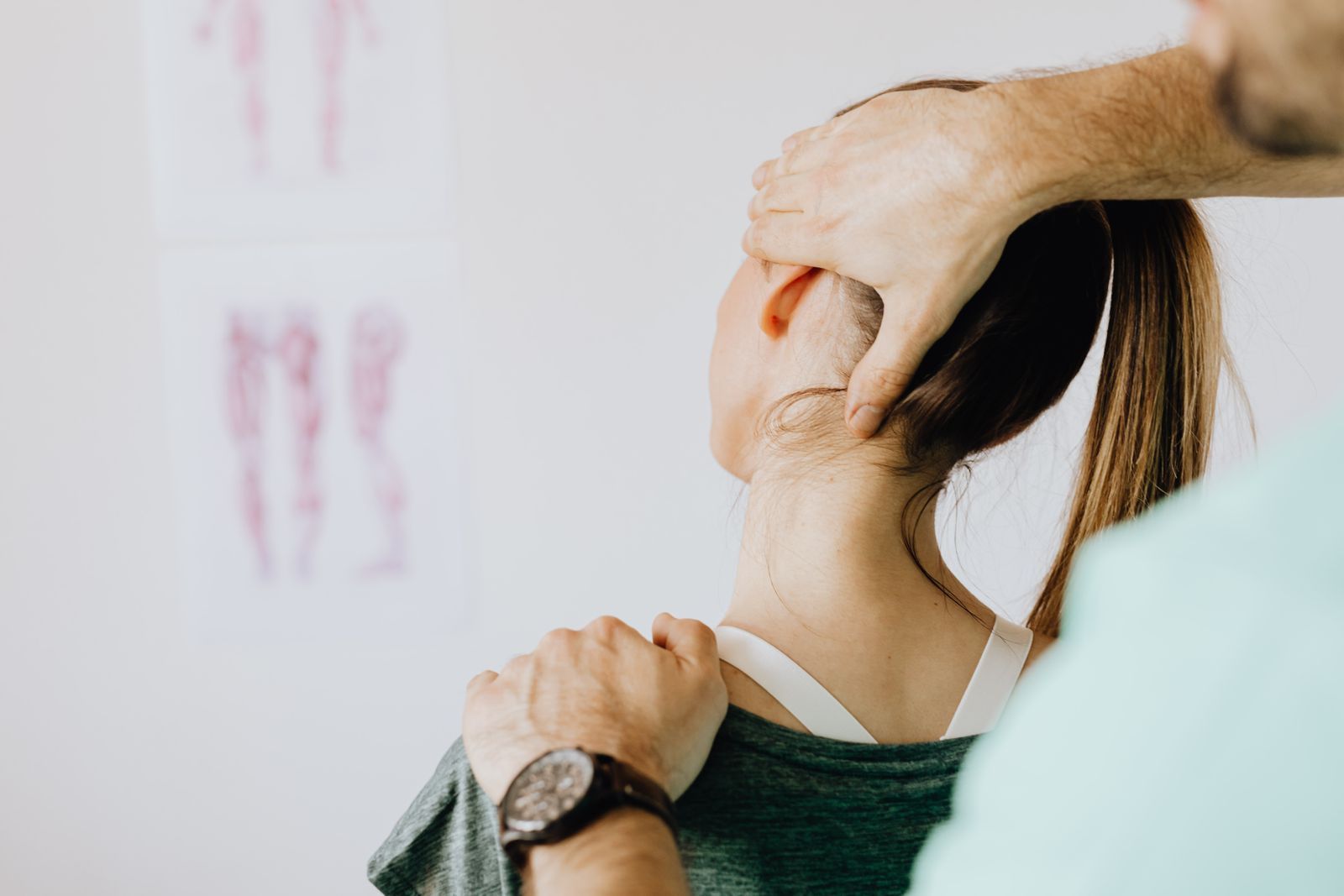
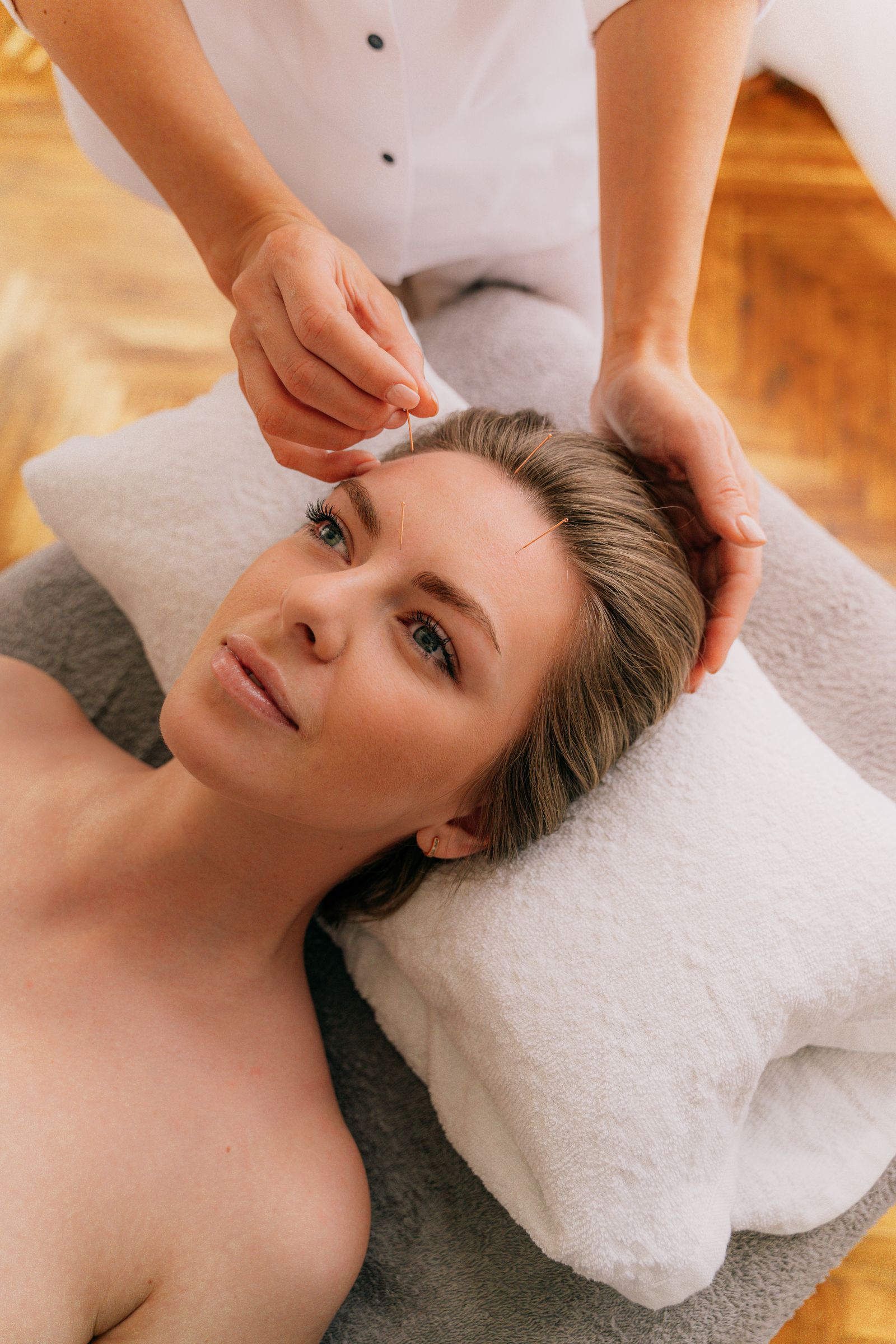
Fully licensed professions. Chiropractors must be licensed in all 50 states and the District of Columbia, with an accredited Doctor of Chiropractic degree and board examinations behind the license. Acupuncture is nearly as settled: all but three states have established criteria for practising it, and in most states licensure runs through national certification examinations. Most states also regulate massage therapists through a license, certification or registration. For these professions there is a public register, a board, and a disciplinary process — and checking a name takes minutes.
Licensed in some states, unlicensed in others. Naturopathic physicians are the clearest case. Licensure requires graduating from an accredited four-year naturopathic medical school and passing a postdoctoral board examination — but only a minority of states offer that license at all. In a licensing state, an ND is a regulated clinician with a defined scope. In an unlicensed state, a person with the same degree may have to practise as a wellness consultant, and a person with far less training may use a similar-sounding title. The title tells you almost nothing. The state board tells you almost everything.
Unlicensed by design. "Holistic health practitioner," "wellness coach" and most energy-work titles carry no state license anywhere. That does not make every such practitioner a fraud, and it does not make every licensed one competent. It means there is no register to check and no board to complain to, so the price should reflect the absence of oversight — and the claims should be judged more, not less, strictly.
The practical rule for 2026 is unchanged because it still works: before you compare prices, verify that the practitioners you are comparing hold the same kind of credential. A $150 consultation with a licensed clinician and a $150 consultation with an unlicensed one are not the same product at the same price.
Availability: easier to book, harder to get covered
Availability has improved in the way markets usually improve it: more practitioners, more telehealth, and more practices built to take your booking online at midnight. It has not improved evenly.
The cash-pay door is wide open. Practices that do not bill insurance can offer long appointments quickly, because their constraint is the diary, not a network contract. That is a real benefit for someone in pain this week, and it is worth naming the trade: speed and time are what the cash price buys.
The insurance door is still narrow. Coverage remains strongest for chiropractic care, grows slowly for acupuncture — the federal analysis notes acupuncture use rose from 1 percent of adults in 2002 to 2.2 percent in 2022 as coverage expanded — and stays thin or absent for naturopathy, most massage and most of what is sold under a holistic banner. Medicare's acupuncture coverage, for example, extends only to chronic low back pain. Everything else depends on your specific plan document, not on the clinic's assurance that "we work with insurance."
About 62 percent of functional medicine practices now offer a superbill — the coded receipt you submit to your insurer yourself for possible out-of-network reimbursement. That is a genuine improvement in availability of reimbursement, and patients do recover real money this way; one documented case recovered $1,920 of a $4,800 cash spend. But a superbill is a chance, not a benefit. Price the care as if you will recover nothing, and treat anything returned as a rebate.
Your tax-advantaged money is the middle door. Under the IRS definition of medical care, fees for acupuncture and chiropractic care are named, qualifying expenses for health savings and flexible spending accounts. Massage sits in a greyer place: it is not named in the IRS guide, and money spent to improve general health, or to relieve discomfort not tied to a particular medical condition, does not qualify. Massage bought to treat a specific diagnosed condition can pass that test, which is why administrators ask for a letter of medical necessity. Get the letter before the sessions, not after the claim is denied. Supplements face the same purpose test and fail it more often than clinic marketing suggests.
What a fair 2026 comparison looks like
This site lists 450 holistic health practitioners, alongside 330 naturopathic physicians, 811 acupuncture physicians and surgeons and 5,637 massage and bodywork listings — enough, in most areas, to compare three practitioners rather than accept the first quote. Do the comparison in this order:
- Credential first. Confirm the license, or the absence of one, on the state board's own lookup. Eliminate anyone whose title you cannot verify and whose price assumes you will not check.
- Price the year, not the visit. Ask for the initial consultation, the expected number of follow-ups, the lab panel and the supplement protocol as one written total. Compare that number across practitioners.
- Separate the membership maths. Price the same schedule pay-as-you-go. Join only if the membership is cheaper for care you are already confident you will finish.
- Check coverage in the document. Your plan's own benefits summary decides what is covered — not the front desk, and not this guide.
- Set the review point before you start. Agree what improvement you are measuring, over how many visits, and what happens if it does not arrive. In a market this largely paid out of pocket — the last full national estimate put that spending at $30.2 billion a year, and use has grown sharply since — the exit condition is the patient's main protection.
Holistic health care in 2026 is neither the fringe purchase it was in 2002 nor the integrated, insurance-covered service its marketing sometimes describes. It is a large, mostly cash-pay market with real licensed professions inside it, rising prices, and rules that reward a patient who verifies before comparing and compares before committing. Do those two things in that order, and the philosophy can be whatever you want it to be. The arithmetic will already be honest.
Sources
- National Center for Complementary and Integrative Health — establishes that 36.7% of U.S. adults used at least one of seven complementary approaches in 2022, up from 19.2% in 2002, with meditation at 17.3%, yoga at 15.8%, acupuncture at 2.2%, and pain use rising from 42.3% to 49.2%
- National Center for Complementary and Integrative Health — establishes that Americans spent $30.2 billion out of pocket on complementary health approaches in the last full national estimate
- National Center for Complementary and Integrative Health, Credentialing, Licensing, and Education — establishes that there is no standardized national credentialing system, that states decide practitioner credentials, and that chiropractors must be licensed in all 50 states and the District of Columbia
- Functional Medicine Finder, 2026 pricing guides — establishes initial consultation ranges by provider type ($400–$950 for physicians, $200–$450 for nurse practitioners and physician assistants, $250–$500 for naturopathic doctors), follow-up, lab and first-year cost ranges, a median annual membership of about $2,640 (up from about $2,160 in 2023), average cash-pay spending of about $5,247 a year, and that about 62% of practices offer superbills
- IRS Publication 502, as summarised in HSA/FSA eligibility guidance — establishes that acupuncture and chiropractic fees are named medical expenses, that massage is not named, and that amounts paid to improve general health or relieve discomfort unrelated to a particular medical condition do not qualify
- photo by Yan Krukau, https://www.pexels.com/photo/herbs-in-a-mortar-5480091/
- photo by Karolina Kaboompics, https://www.pexels.com/photo/professional-massage-therapist-treating-a-female-patient-s-injured-neck-4506162/
- photo by Antoni Shkraba, https://www.pexels.com/photo/massage-with-needles-on-woman-face-6076145/
More guides
- How to Choose an Alternative Medicine Practitioner You Can TrustAlternative Medicine › Alternative Medicine
- What Alternative Medicine Actually Costs: A Realistic Price GuideAlternative Medicine › Alternative Medicine
- 10 Questions to Ask Before Your First Alternative Medicine AppointmentAlternative Medicine › Alternative Medicine
- Red Flags: When an Alternative Practitioner Is Selling, Not TreatingAlternative Medicine › Alternative Medicine
- How to Buy Natural Healing Products Without Wasting MoneyAlternative Medicine › Natural Healing Products & Services
- All Guides & ArticlesBrowse the full guides library