Alternative Medicine › Herbalists
Consulting an Herbalist: Scams and Pressure Tactics — How to Spot Them Before You Pay
Most herbalists are exactly what they appear to be: people who know plants well, charge for a consultation, and sell or recommend remedies they believe in. This guide is not about them. It is about the minority who have learned that an older person with a frightening diagnosis, a medicine cabinet full of prescriptions and a family far away is the easiest sale in health care — and about the specific tactics they use, which are recognisable long before any money moves.
If you are researching for a parent, your advantage is distance. You are not the one in pain, not the one who has just been told a condition is incurable, and not the one sitting in a warm room being told a story about someone just like you who recovered. Use that distance. Here are the plays, in the order they usually arrive.
First, understand the gap the scams live in
Two facts about the United States market create the opening, and neither is the herbalist's fault.
There is no herbalist licence. The American Herbalists Guild states it plainly: there is currently no licensing or certification for herbalists in any state. Anyone may practise, teach and charge. The closest thing to a professional credential is the Guild's Registered Herbalist designation — a voluntary, peer-reviewed credential based on documented training and clinical experience, not a government licence. "Certified herbalist" and "master herbalist" are titles issued by schools on their own authority. That does not make every unlicensed practitioner a fraud; it means the title on the door tells you almost nothing, so everything else has to be checked harder.
The products are not approved before sale. Under the Dietary Supplement Health and Education Act of 1994, the Food and Drug Administration does not have authority to approve dietary supplements before they are marketed, and generally a firm does not have to give the FDA the evidence behind its safety claims in advance. Supplements may carry structure-and-function claims — "supports immune health" — if the firm has substantiation and includes the disclaimer that the statement has not been evaluated by the FDA. They may not claim to diagnose, treat, cure or prevent disease. When a seller crosses that line in conversation, they are not being enthusiastic. They are making a claim the law reserves for approved drugs.
Hold those two facts and most tactics below become visible on contact.
Tactic 1: The diagnosis they are not allowed to make
An herbalist who is not also a licensed medical professional cannot legally diagnose, prescribe or treat disease. The honest ones work in the language of support, tradition and education, and will say so. The pressure version opens with certainty about your parent's condition — naming diseases, interpreting blood tests, pronouncing on scans — and then, often, finding that the real doctors have missed something only this practice can see.
The tell is not confidence; good practitioners are confident about plants. The tell is a diagnosis delivered as a sales instrument, especially one that contradicts the treating physician and conveniently requires the products on the shelf behind the desk. Ask one question: "Are you licensed to diagnose this?" The answer, for almost every herbalist, is no — and an honest one will say it without flinching.
Tactic 2: "Stop the medication, start the protocol"
This is the most dangerous play and the one caregivers should treat as an automatic exit. Herbs interact with conventional medicines — the FDA's own consumer guidance on traditional products warns users to tell their health care professional about all alternative products precisely because herbs, minerals and metals can interact with each other and with conventional medications. A practitioner who advises a parent to reduce or abandon a prescription — blood thinners, diabetes medication, blood pressure drugs — in favour of a herbal protocol is asking them to trade a measured risk for an unmeasured one.
The softer version is secrecy: "Your doctor won't understand this, so there's no need to mention it." Any practitioner who asks a patient to hide treatment from their physician has answered every question you had about their ethics. A legitimate herbalist expects to work alongside the medication list, asks to see it, and flags interactions themselves.

Tactic 3: The cure-all and the quick fix
The FDA publishes six tip-offs to health fraud, and the first three map directly onto herbal sales pitches. One product does it all — be suspicious of anything claimed to help a wide range of unrelated diseases. Personal testimonials substitute for evidence — "it cured my diabetes" stories are easy to fabricate and are not scientific proof. And quick fixes — language promising rapid results for conditions that do not resolve rapidly — are a fraud marker, not a feature.
Herbal versions wear natural clothing: a single tonic for arthritis, memory, blood sugar and sleep; a "new discovery" or "secret ingredient" framing; ancient-wisdom language used to imply that a product is exempt from evidence. The FDA's warning list of fraud targets reads like a care-plan pitch to older adults — Alzheimer's, arthritis, cancer, diabetes, memory loss. If your parent's exact fears appear, in order, in a sales presentation, that is not attentiveness. That is targeting.
Tactic 4: The product you cannot inspect
Honest remedies can be examined. Scam remedies resist it. Warning signs in the products themselves:
- Proprietary blends that list ingredients without amounts, so neither you nor a pharmacist can judge dose or interaction risk.
- No batch, no maker, no address — unlabelled jars and bags from the practice's own shelf, with no manufacturer you could contact.
- Imported miracle products sold informally. The FDA has warned for years about certain traditional products containing lead, mercury or arsenic; a study it cites found about one-fifth of Ayurvedic products bought online contained detectable lead, mercury or arsenic. In December 2025 the FDA again warned consumers about heavy-metal poisoning linked to unapproved Ayurvedic products, after laboratory testing of a product bought online found high levels of lead and mercury and detected strychnine, brucine and arsenic. "Natural" is not a purity test.
- Hidden drugs. The FDA maintains a database of tainted products marketed as supplements; analyses of it have identified more than a thousand products adulterated with active pharmaceutical ingredients — prescription erectile-dysfunction drugs in "herbal" enhancement products, a withdrawn weight-loss drug in diet pills, steroids in muscle products. A herbal product that works suspiciously fast and powerfully may be working because it is not only herbal.
Ask for the full ingredient list with amounts, the manufacturer, and any third-party testing — then check the product name against the FDA's tainted-products warnings before a parent takes the first dose, not after a strange symptom.
Tactic 5: Pressure engineered for the room
The tactics that close the sale are theatrical, and naming them drains them. A health scare timed to the pitch — test results "worse than expected," delivered minutes before a package is offered. A discount that expires today. A protocol priced as a bundle of months, prepaid, with the per-visit cost never stated. Free "consultations" that are sales appointments with a blood-pressure cuff. And the isolation move: discouraging the patient from discussing it with family — "your children will just worry" — which is why so many caregivers learn about these purchases from a bank statement.
The counter-move is boring and total: nothing is bought on the day. A legitimate practice will quote in writing, state what each product and visit costs separately, describe its refund policy, and survive a week's delay without the offer changing. A pressure practice cannot survive delay, because delay is the one thing its model is built to prevent. Take the paperwork home. Photograph the labels. Run the checks below. If the offer evaporates when you do, you have your answer at no cost.
Tactic 6: The credential fog and the borrowed white coat
Because no licence exists, titles in this field are marketing copy, and pressure sellers exploit the fog deliberately. A wall of framed certificates from weekend courses and online programmes is presented as though it were a medical education. Letters after a name multiply — some from real peer review, some bought with a course fee, some simply invented. The setting borrows authority too: a consulting room styled like a clinic, staff in medical dress, intake forms that imitate hospital paperwork, and words like "patient," "clinic" and "prescription" used for what is legally a retail consultation about supplements.
None of that is proof of fraud, and plenty of honest herbalists keep pleasant rooms. It becomes a tactic when the fog is used to shut down questions — when "trust the process" replaces an answer about training, when a parent is told their family doctor is "not qualified to judge this," or when the trappings of medicine are used to imply a government endorsement that does not exist. The corrective is translation. Every title can be explained in plain words: who issued it, how long the training took, what examination or review stood behind it, and what it legally permits the holder to do. A practitioner with real training answers that in a minute, often with some pride. A fog machine stalls, changes the subject, or takes offence — and offence, at a simple factual question, is information.
The caregiver's checklist, before any money moves
- Credentials, translated. Ask what training they completed and who issued any title. Registered Herbalist from the American Herbalists Guild means peer-reviewed experience; "certified" means a school said so; neither is a licence, because no licence exists.
- The medication conversation. Hand over your parent's full prescription list and watch what happens. Checking interactions is the mark of a professional. Dismissing the list is the mark of a sale.
- Claims, in writing. If it treats, cures or prevents a named disease, it is making a drug claim. Walk away, and keep the brochure — regulators use them.
- Products, inspectable. Full ingredients and amounts, a named manufacturer, batch information, and a check against FDA warnings. No label, no purchase.
- Prices, separated. Consultation, each product, each follow-up — itemised, in writing, with the refund policy. Bundles you cannot unbundle are bundles designed that way.
- Time. A minimum of several days between pitch and payment, with family in the conversation. Any resistance to that condition is itself the finding.
If money has already moved, act while records are fresh: keep every product and document, note dates and claims as exactly as you can, dispute card charges promptly where goods were misrepresented, and report the practice to your state attorney general's consumer protection office and the FDA's reporting channels. Families often feel embarrassed at this stage. Do not let them. These tactics are engineered, practised and aimed at people in pain — being caught by one is evidence about the seller, not about your parent.
This site lists 58 herbalists. Start there or anywhere else with the same standard: training you can translate, products you can inspect, claims that stay inside the law, and a practitioner who is visibly relieved that the family is paying attention. The good ones are. That reaction, in the end, is the most reliable test on this page.
Sources
- American Herbalists Guild, Legal and Regulatory FAQs — establishes that there is no licensing or certification for herbalists in any United States state, and that the Registered Herbalist designation is a voluntary peer-reviewed credential.
- FDA, Questions and Answers on Dietary Supplements — establishes that under the 1994 Dietary Supplement Health and Education Act the FDA does not approve dietary supplements before marketing, and sets out the rules for structure-and-function claims.
- FDA, 6 Tip-offs to Rip-offs: Don't Fall for Health Fraud Scams — establishes the fraud markers of cure-all claims, personal testimonials and quick fixes, and the conditions fraud targets.
- FDA, Use Caution With Ayurvedic Products — establishes that lead, mercury and arsenic have been found in some traditional products, with about one-fifth of products bought online in a cited study containing detectable levels.
- The People Argue, Herbal Medicines: Quality, Lead and Who Regulates What — establishes the FDA's December 2025 warning about heavy-metal poisoning linked to unapproved Ayurvedic products bought online.
- Fishtown Medicine, Supplement Quality and Contamination — establishes the scale of the FDA tainted-products database, with more than a thousand products found adulterated with pharmaceutical ingredients.
- Photo by Yan Krukau, https://www.pexels.com/photo/5480192/
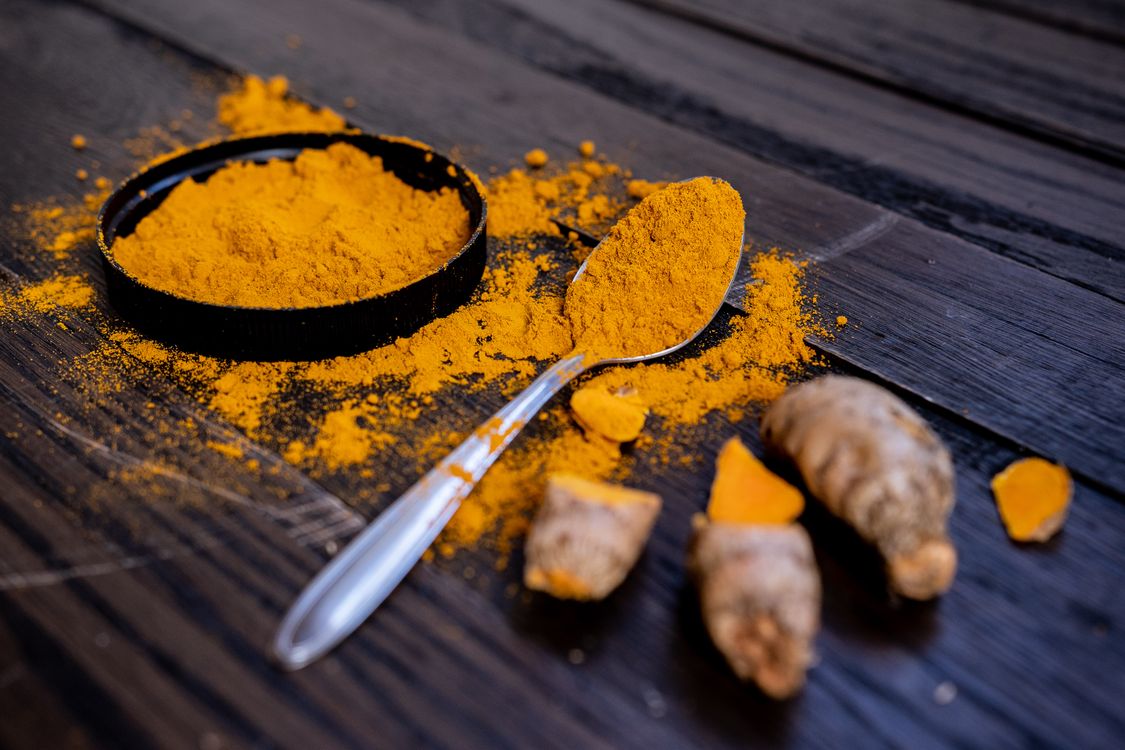
- Photo by Karl Solano, https://www.pexels.com/photo/close-up-shot-of-turmeric-powder-6220710/
More guides
- How to Choose an Alternative Medicine Practitioner You Can TrustAlternative Medicine › Alternative Medicine
- What Alternative Medicine Actually Costs: A Realistic Price GuideAlternative Medicine › Alternative Medicine
- 10 Questions to Ask Before Your First Alternative Medicine AppointmentAlternative Medicine › Alternative Medicine
- Red Flags: When an Alternative Practitioner Is Selling, Not TreatingAlternative Medicine › Alternative Medicine
- How to Buy Natural Healing Products Without Wasting MoneyAlternative Medicine › Natural Healing Products & Services
- All Guides & ArticlesBrowse the full guides library